What a pre-purchase car inspection covers (and why a roadworthy isn’t enough)

You’ve found a used car online. The photos look good, the price fits your budget, and the seller mentions it’s just passed a roadworthy. That should mean the car is in good shape, right? 

Not quite. A roadworthy certificate and a pre-purchase vehicle inspection check very different things. Understanding that difference before you hand over your money could save you thousands. 

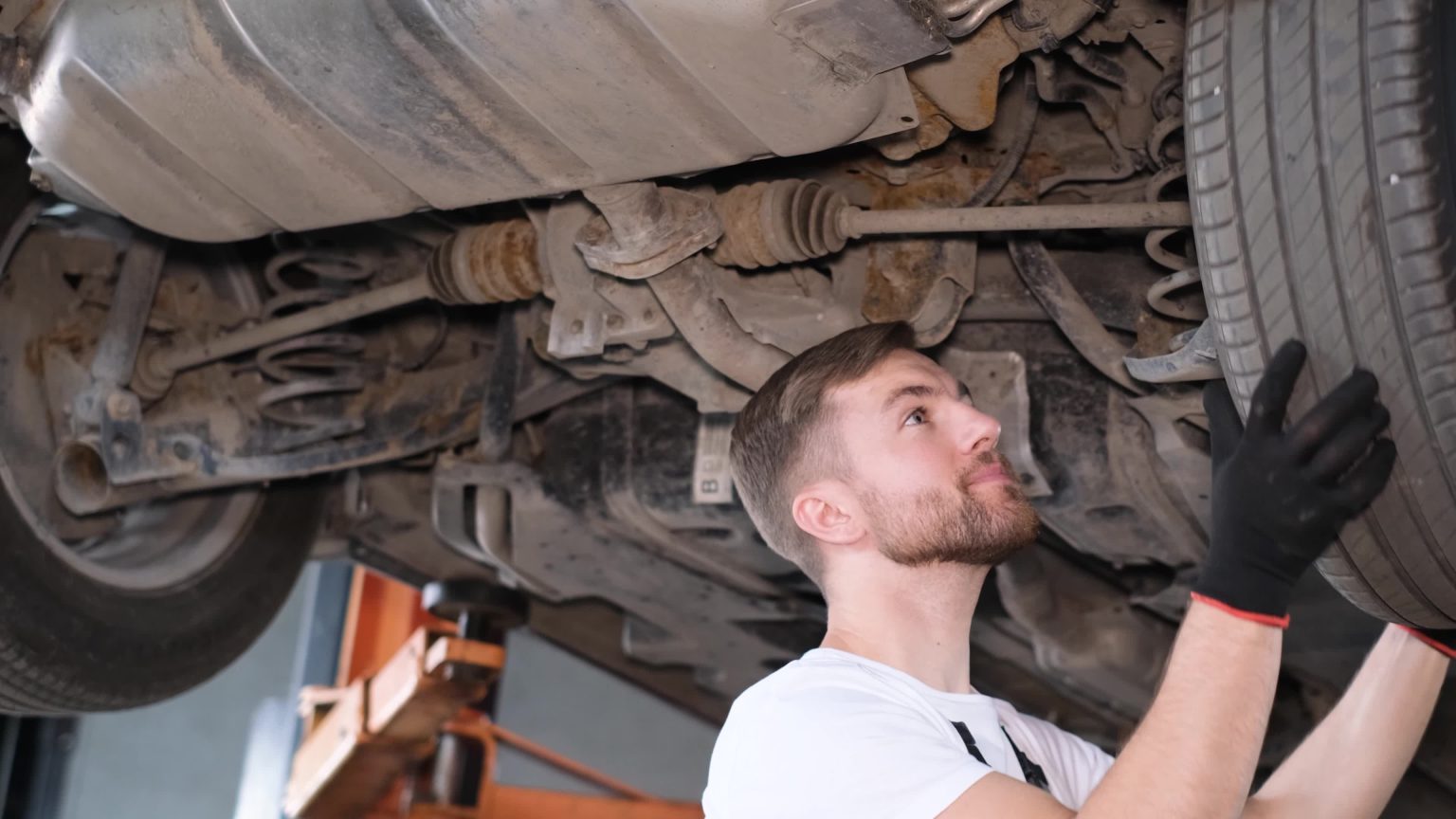
Professional Mechanic
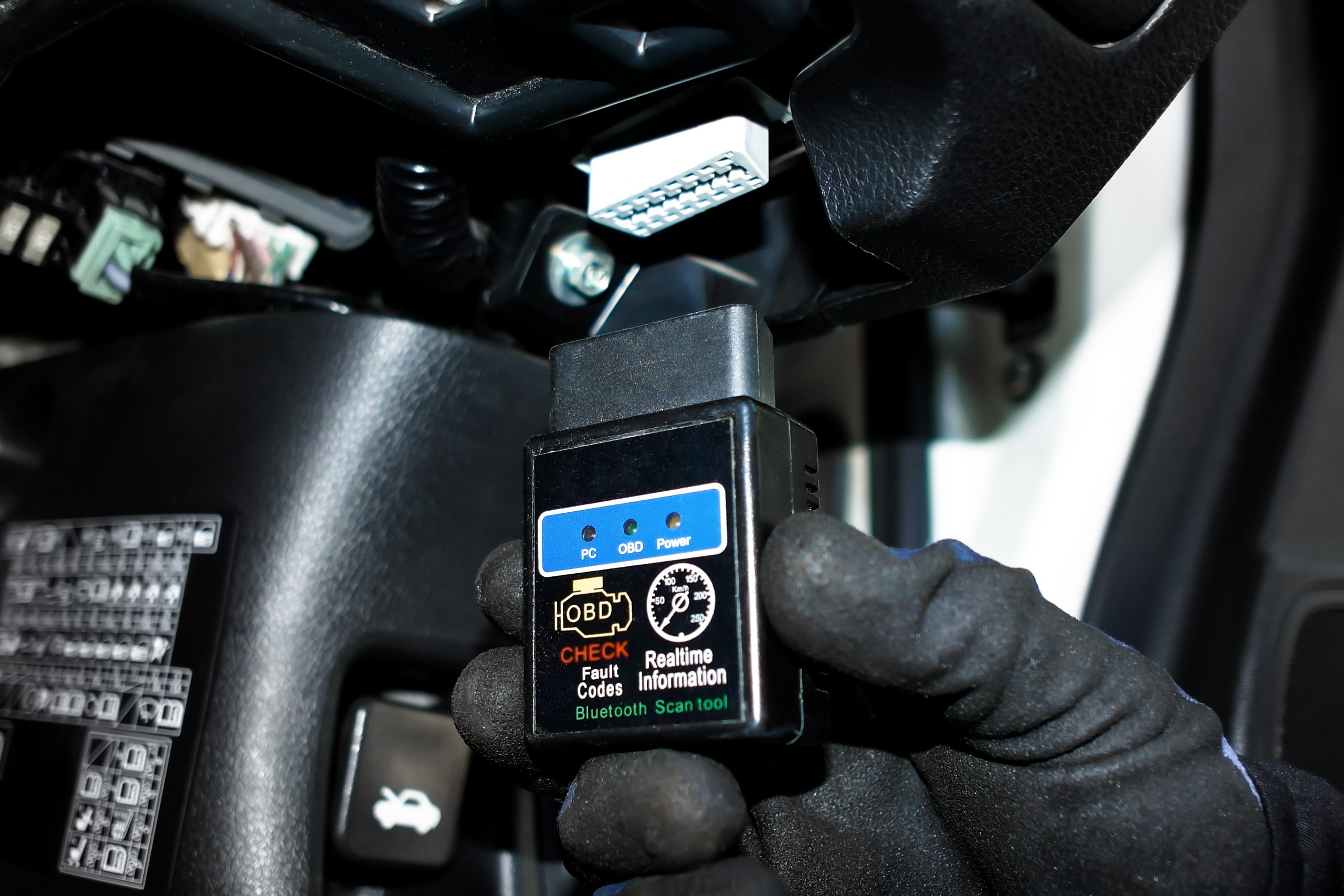
Obd2 Scanner Tool

What a roadworthy certificate does (and doesn’t) tell you

A roadworthy certificate confirms that a car meets the minimum safety standards required for registration transfer in Victoria. It checks that the brakes work, the tyres have enough tread, the lights function, the seatbelts aren’t damaged, and the vehicle’s structure isn’t compromised. 

What it doesn’t check is whether the car is mechanically reliable, likely to need expensive repairs soon, or worth what the seller is asking. Transport Victoria is clear on this point: a roadworthy is not an assessment of mechanical reliability or overall vehicle condition. 

A car can pass a roadworthy with worn-but-legal tyres, an engine that burns oil between services, a gearbox developing bearing noise, tired suspension, and a completely dead air conditioning system. None of those are safety defects under the roadworthy scheme. All of them cost real money to fix. 

What a pre-purchase inspection checks

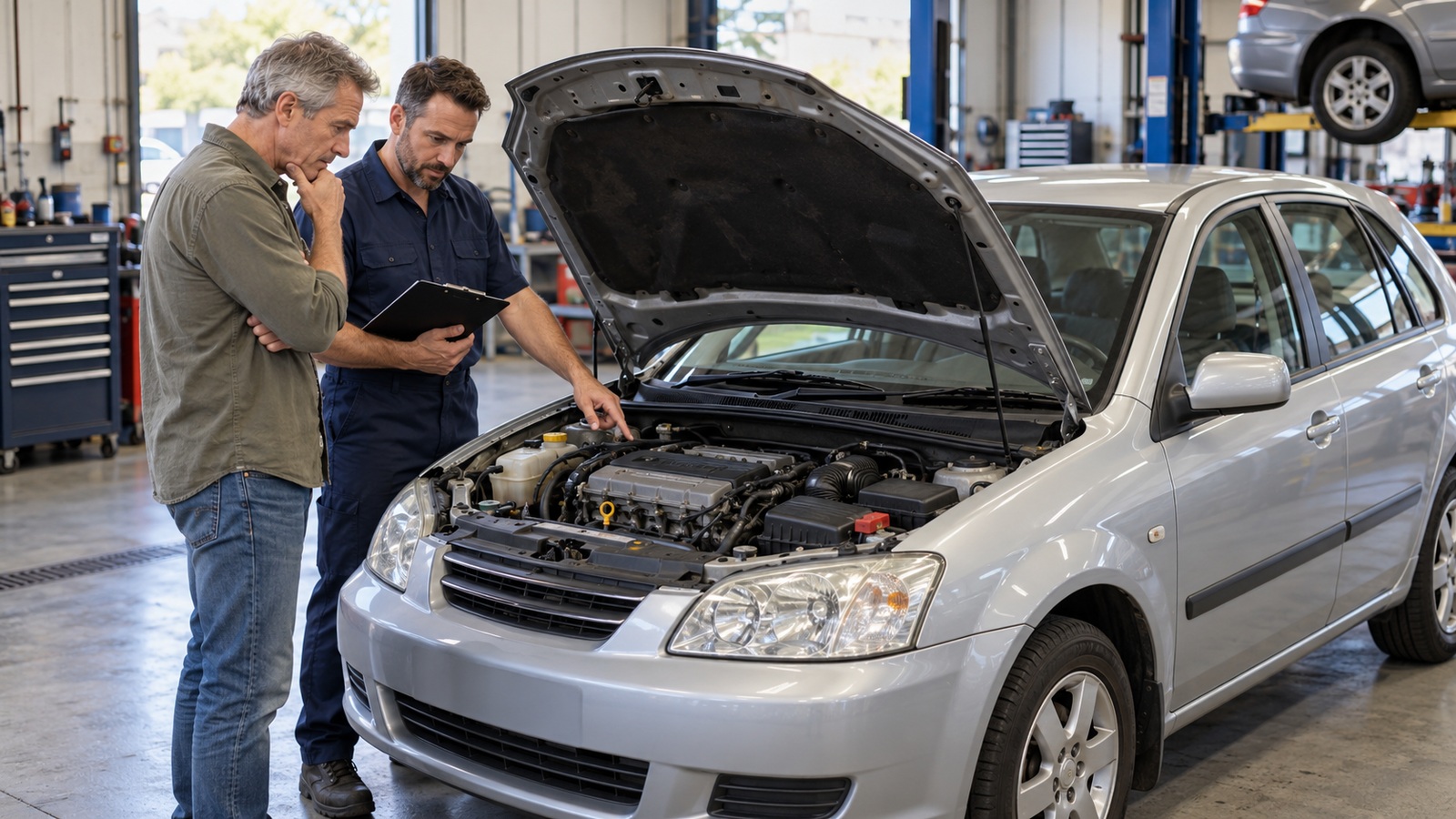
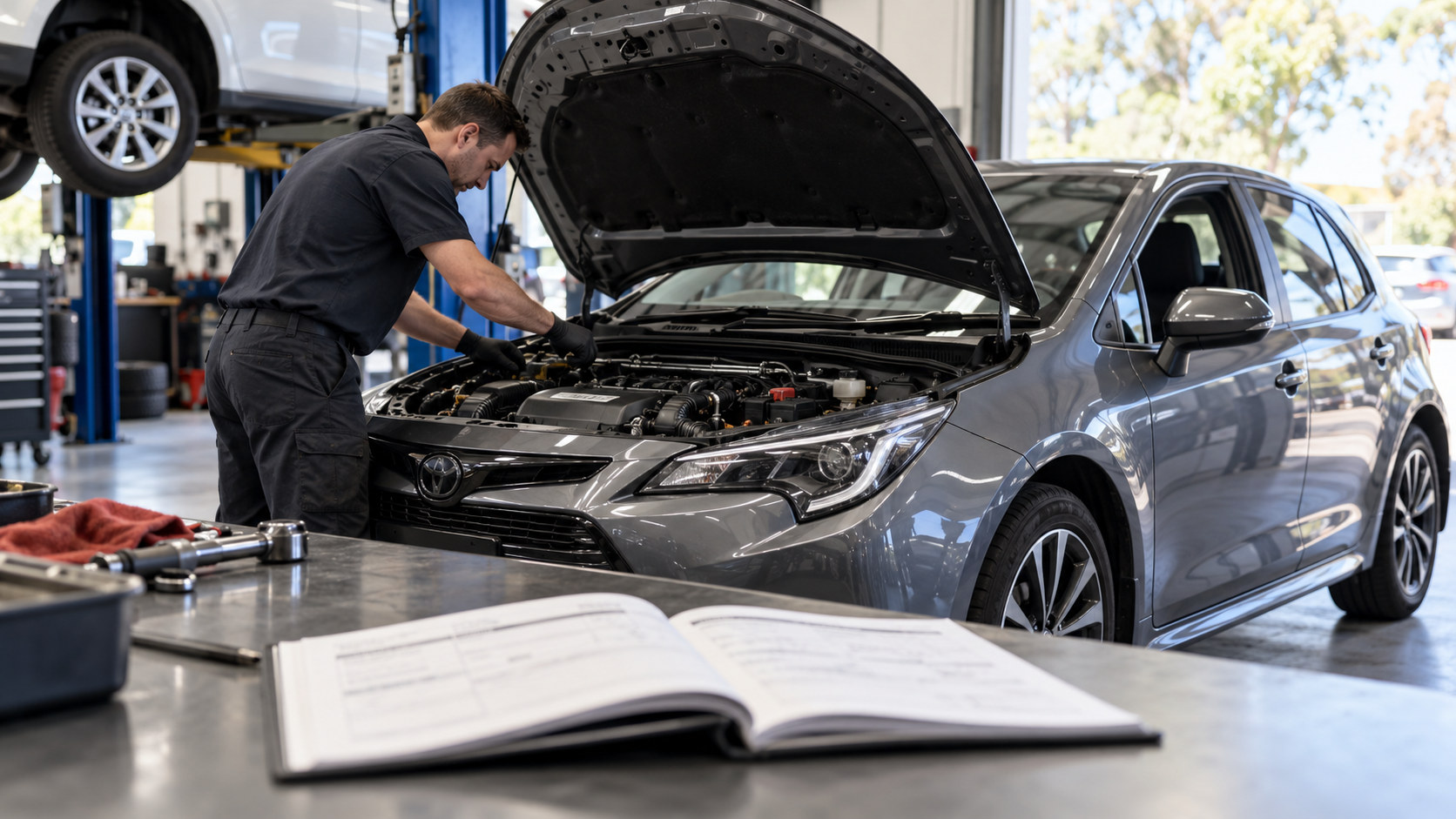
A pre-purchase car inspection goes well beyond safety. It assesses the overall mechanical condition of the vehicle – not just whether it’s roadworthy today, but how much life is left in its major components.

Engine, gearbox, and drivetrain 

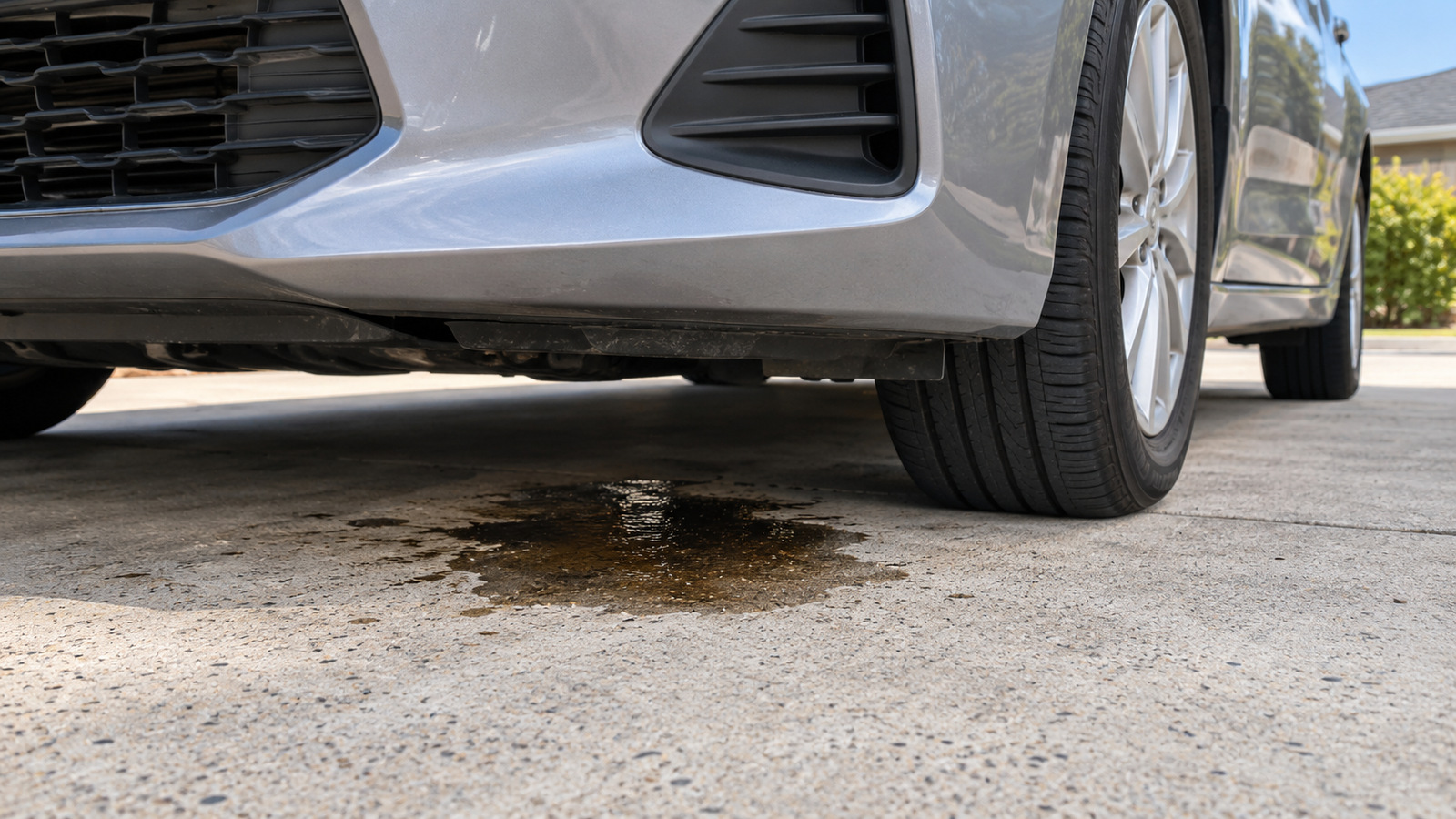
The mechanic checks for oil leaks, unusual engine noises, exhaust smoke, and how smoothly the engine runs under load. They assess the gearbox for rough shifts, delayed engagement, or whining. For automatic transmissions, the condition and colour of the fluid alone can reveal a lot. Dark or burnt-smelling transmission fluid is a warning sign that most buyers wouldn’t think to check in a driveway. 

Body and structural condition 

This is where previous accident damage shows up. The mechanic checks panel gaps, paint consistency, overspray in the door jambs and under the bonnet, and signs of structural repair or chassis straightening. A car that’s been in a significant collision and repaired well can still have alignment problems, premature tyre wear, or compromised crumple zones that won’t show up on a test drive. Chandos Auto has a separate guide on how mechanics detect whether a car has been in an accident if you’d like more detail on that side. 

Fluids and service history 

Oil colour and level, coolant condition, brake fluid, power steering fluid – each tells a story about how the car has been maintained. The mechanic cross-references what they see under the bonnet with the service records. A car with a full logbook but dirty oil and neglected coolant raises questions about whether the stamps match the reality. 

Steering, suspension, and brakes 

Beyond the roadworthy’s pass/fail assessment, a pre-purchase inspection measures how much wear is left. Brake pads might be legal at 3 mm but due for replacement within a couple of months. Suspension bushes might be soft and tired without being dangerous. Steering components might have play that wouldn’t fail a roadworthy but tells an experienced mechanic the car has covered hard kilometres. 

Electrical and diagnostic scan 

A diagnostic scan reads the car’s onboard computer for stored and pending fault codes – problems the vehicle has logged even if no warning light is currently showing on the dashboard. The mechanic also checks battery health, alternator output, and the operation of electrical systems like windows, central locking, and air conditioning. 

Road test 

Some problems only appear when the car is moving. A road test checks how the vehicle accelerates, brakes, steers, and shifts through the gears under real driving conditions. Vibrations at highway speed, pulling under braking, hesitation on acceleration – these are things you cannot assess while the car is parked in someone’s driveway. 

When a pre-purchase inspection pays for itself

Say you’re looking at a car listed at $14,000 on the Nepean Highway strip. The inspection reveals the timing belt is 20,000 km overdue and the front brake rotors need machining. That’s $700 to $1,200 in work the seller hasn’t mentioned. 

Armed with that report, you can negotiate the price down, ask the seller to fix the issues before settlement, or walk away and keep looking. The $200 to $400 you spent on the inspection has already paid for itself on a single finding. 

Without the inspection, you’d discover those costs after handing over the money – when your bargaining position is gone. 

When you might not need one

If you’re buying a nearly new car with remaining manufacturer warranty, full dealer service history, and low kilometres, the risk is lower. A pre-purchase inspection is still useful, but the chance of finding expensive hidden problems is smaller. 

If you’re buying from a licensed dealer in Victoria, the car also comes with statutory warranty protections under Australian Consumer Law. That doesn’t mean problems won’t surface, but it does mean you have legal recourse if they do. 

For private sales – which is how most used cars in the Bayside area change hands – a pre-purchase inspection is one of the few protections available to you. There’s no warranty, no cooling-off period, and no obligation for the seller to disclose mechanical issues they might not even know about. 

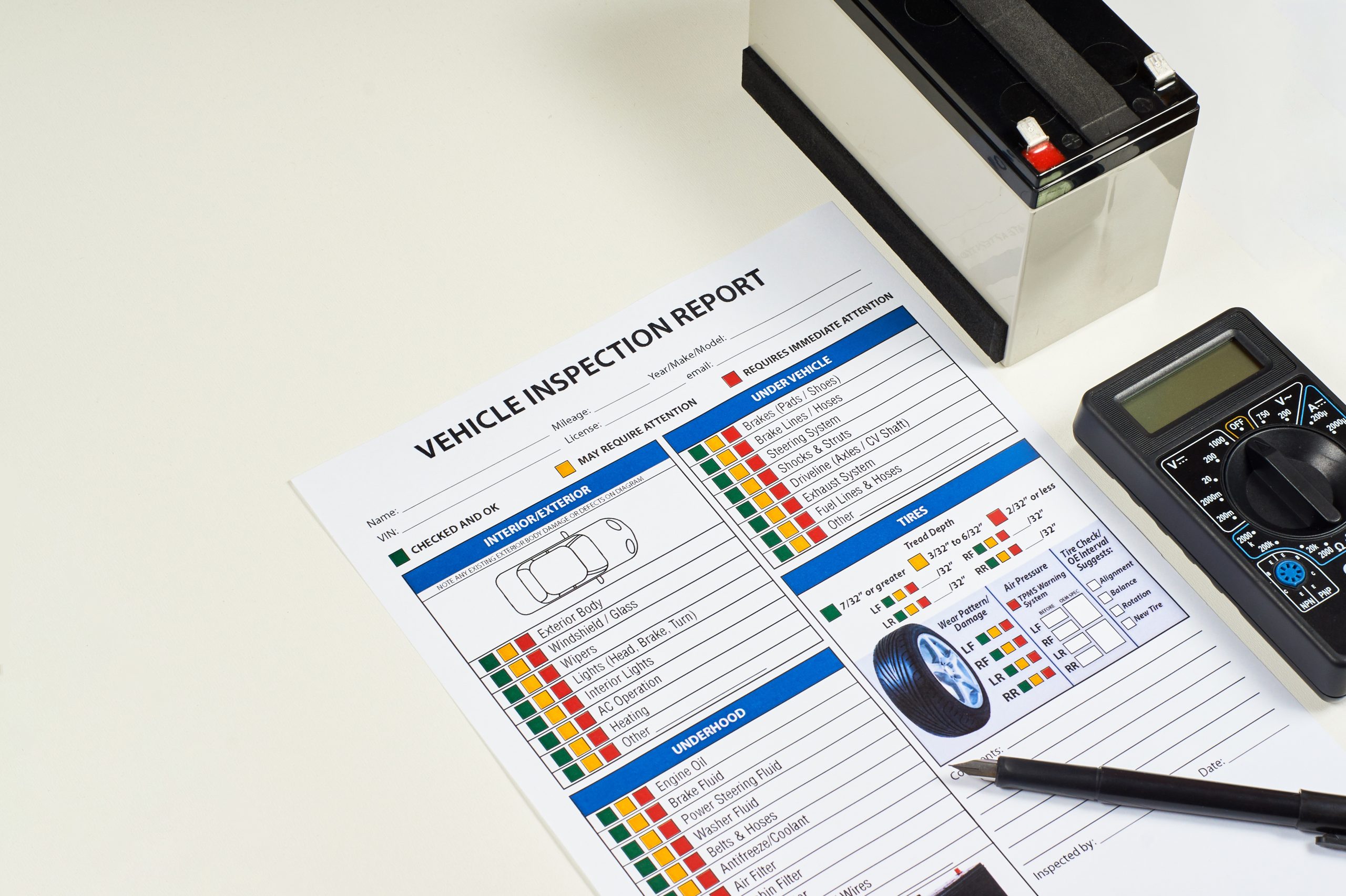
Vehicle Inspection Report

Frequently asked questions

A roadworthy certificate is a safety-only check required for registration transfer in Victoria. It confirms the car meets minimum standards for brakes, tyres, lights, seatbelts, and structural integrity. A pre-purchase inspection is a comprehensive mechanical assessment covering engine health, gearbox condition, fluid quality, electrical systems, body condition, and signs of previous accident damage. A car can pass a roadworthy and still have significant mechanical or cosmetic problems. 

Most pre-purchase inspections in Melbourne cost between $200 and $400 depending on the vehicle type and the depth of the inspection. European or performance vehicles sometimes cost more due to specialist diagnostic requirements. Compared to the price of the car itself, the inspection cost is small – and a single finding can recover the fee many times over. 

Yes. Any reputable dealer will allow a buyer to arrange an independent inspection before committing to the purchase. If a dealer refuses to let you have the car inspected independently, treat that as a red flag. You can either drive the car to the workshop yourself or arrange with the dealer to have the inspection done on their premises. 

A service history shows what maintenance has been done in the past. It doesn’t show what’s wearing out right now. Logbook stamps confirm regular servicing, but they won’t tell you the current brake pad thickness, how much life is left in the suspension, or whether the engine is developing an oil leak. A pre-purchase inspection gives you a snapshot of the car’s condition on the day you’re making your decision, which is what matters most. 

Yes. A thorough inspection includes checking for signs of previous collision repair – misaligned panels, inconsistent paint, overspray, replaced components, and evidence of chassis or structural work. Some accident damage is repaired to a high standard and difficult to detect visually, which is why a trained mechanic’s assessment is more reliable than a visual check by the buyer. 

More Car Care Articles

Professional Mechanic

You’ve found a used car online. The photos look good, the price fits your budget, and the seller mentions it’s just passed a roadworthy. That should mean the car is in good shape, right?  Not quite. A roadworthy certificate and a pre-purchase vehicle inspection check very different things. Understanding that difference before you hand over your money could save you […]

Book for your auto service at the push of a button

Our technicians have worked on almost every vehicle available, which gives them vast experience and enables quick diagnosis of faults or problems saving our customers time and money.
Book a service or RWC certificate inspection today

Need a Roadworthy Certificate? 

If you're selling a car, transferring registration, or simply want to make sure your vehicle is safe, you’ll need a valid Roadworthy Certificate (RWC).


At Chandos Auto Repairs, we’re fully licensed to carry out inspections and issue RWCs quickly and professionally. 
Protect your sale, protect your safety — book your roadworthy inspection with Chandos today. 
  • Fast, thorough inspections 
  • Honest, transparent advice 
  • Competitive pricing 
  • Pre-inspection checks available if needed 
Drive away knowing your car is in expert hands.

Book Your Service or Inspection Today 

Whether it’s time for your next scheduled service or you need a roadworthy certificate, we’re ready to help.

Testimonials

Chandos Autos

Trading Hours

Monday - Friday
  • 8am - 5pm
Saturday
  • By appointment
Sunday
  • Closed
© Copyright 2026 Chandos Autos. All Rights Reserved.

Web design by CJ Digital