Accident repairs vary widely in quality. A professionally repaired vehicle can remain safe and reliable for years. Poor repairs, however, may leave hidden structural damage that affects handling, tyre wear and long-term durability.
Buyers often worry about issues such as:
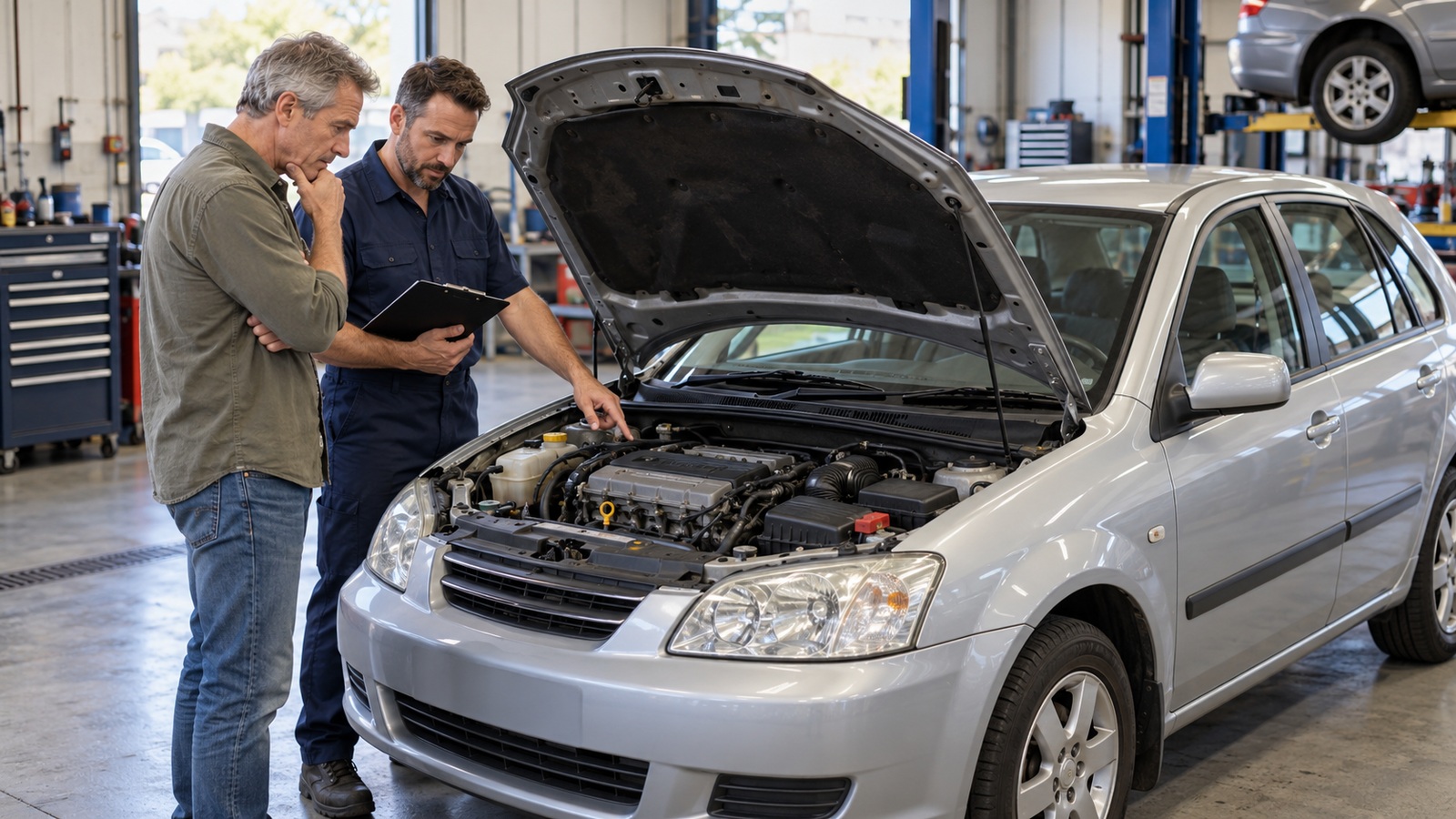
A thorough vehicle inspection helps identify whether repairs were performed properly or whether deeper issues remain.
Modern vehicles are built with consistent panel spacing. When gaps between panels vary noticeably from one side of the car to the other, it can suggest that panels were removed or replaced after a collision.
| Panel area | What mechanics look for |
|---|---|
| Bonnet edges | Different spacing on each side |
| Doors | Panels sitting slightly proud or recessed |
| Boot lid | Uneven alignment with rear quarter panels |
Small differences do not always mean a crash occurred, but they can prompt closer inspection.
In more significant collisions, sections of the vehicle’s structure may be cut and replaced.
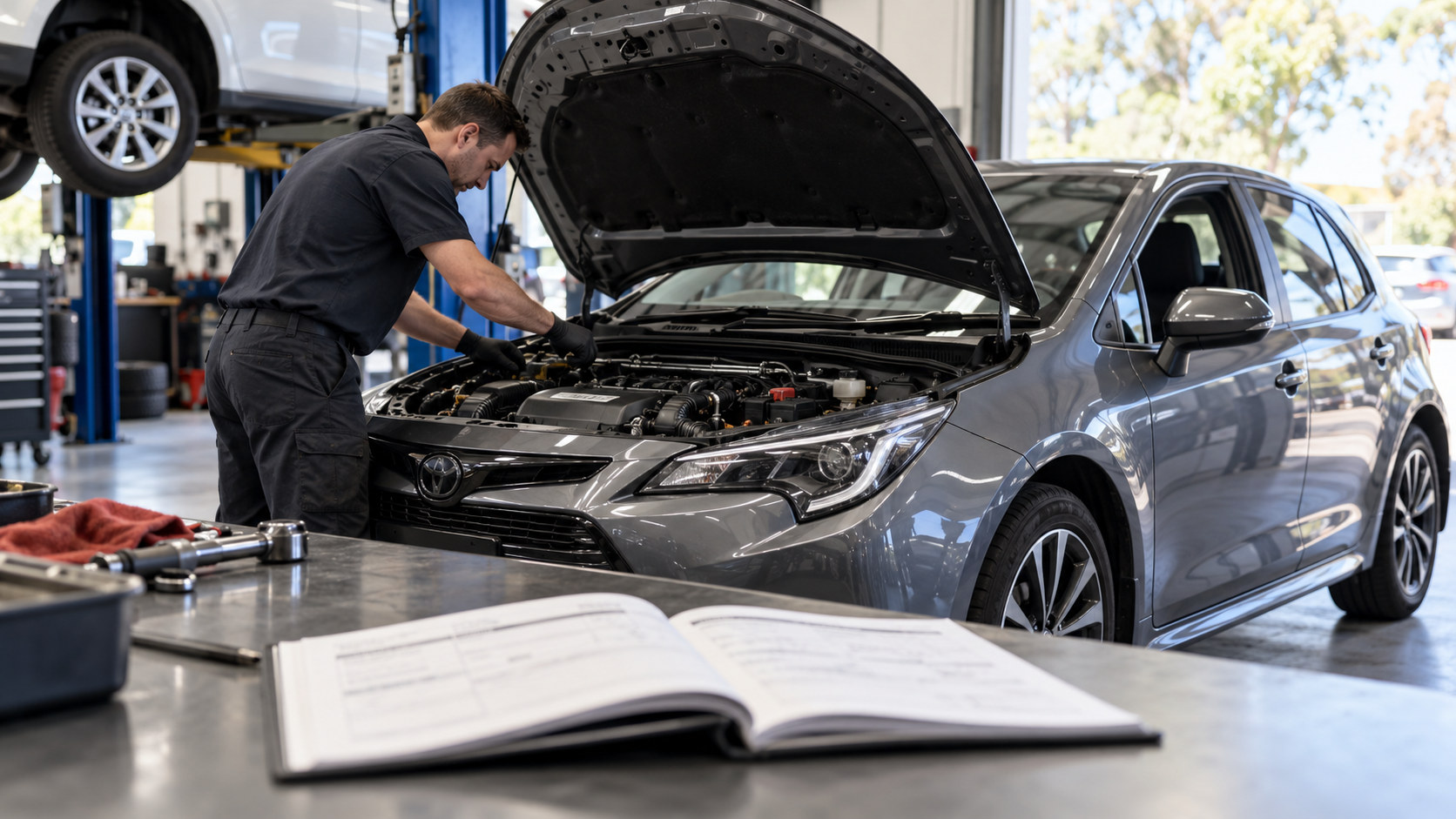
Mechanics inspecting a used car often check:
| Area Inspected | Possible Indicator |
|---|---|
| Chassis rails | Grinding marks or non-factory welds |
| Inner guards | Repaired metal seams |
| Radiator supports | Replacement brackets or bolt marks |
These signs do not automatically mean the car is unsafe, but they may indicate that it experienced a heavier impact than the seller disclosed.
Tyres can reveal a great deal about how a vehicle has been driven or repaired.
Uneven wear patterns may indicate:
| Tyre condition | Possible cause |
|---|---|
| Heavy wear on one edge | Alignment issues |
| Rapid wear on one tyre | Bent suspension components |
| Different tyre brands or ages | Possible panel or suspension repairs |
While tyres alone cannot prove accident history, they often support other inspection findings.
Paint repairs are common after accidents. While modern paintwork can look excellent, mechanics often find clues in places buyers rarely check.
Typical areas include:
A difference in paint texture or colour in these areas can suggest that bodywork was repaired.
A collision can shift the mounting points that hold suspension components in place. Even small changes can affect how a car drives.
Mechanics performing used car inspections often examine:
If mounting points have moved, the vehicle may show abnormal tyre wear or persistent alignment problems.
Most buyers look at paint condition, mileage and interior wear. Structural repairs are usually hidden behind panels or underneath the vehicle where they are not easily seen.
Professional inspections involve:
These checks allow mechanics to identify issues that would otherwise go unnoticed during a casual viewing.
Some situations make inspections particularly important.
Buyers should strongly consider a mechanic inspection if:
In these cases, a professional inspection can provide clarity before money changes hands.
Peace of mind before committing to a purchase
Most used cars on the road have minor cosmetic repairs at some stage in their life. That alone does not make them a bad purchase. The key question is whether the repair was done correctly and whether any hidden damage remains.
A thorough vehicle inspection allows buyers to understand the condition of the vehicle before committing to what is often one of their largest purchases.
When uncertainty exists, professional advice can prevent an expensive mistake.
Web design by CJ Digital