Chandos Autos

What to check before your new car warranty ends

The warranty reminder arrives, the car still drives well, and nothing feels urgent. But there might be a warning light that appeared once and disappeared, air conditioning that is weaker than it used to be, a small oil mark on the driveway, or a shudder under brakes that you keep meaning to ask about. 

A new car warranty inspection is a practical check before the manufacturer's warranty period ends. It gives you a clearer record of the car's condition while the warranty is still current, especially if there are small faults that have been easy to ignore. 

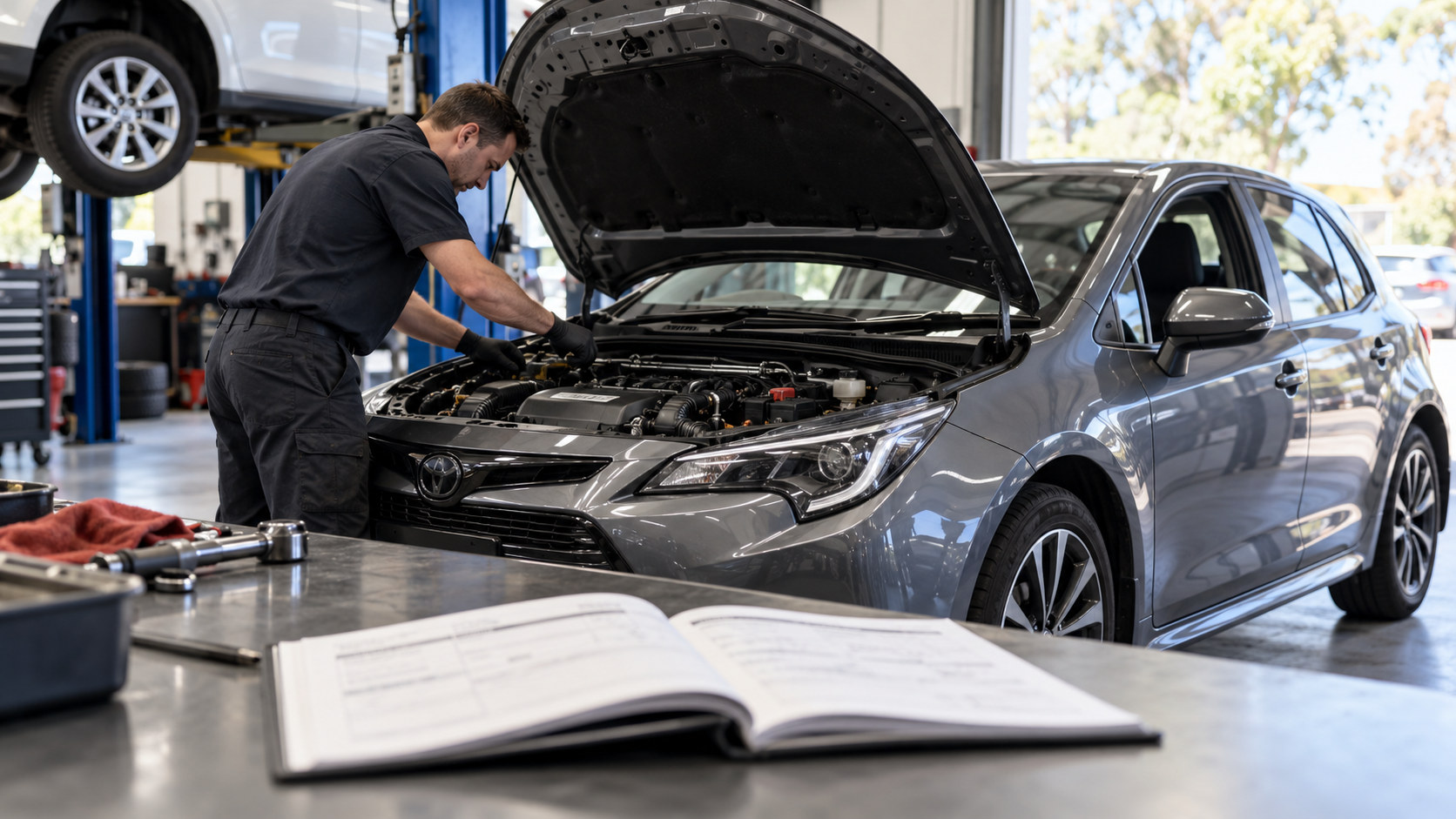
A warranty-end check is useful for any driver whose vehicle is approaching the end of its manufacturer warranty. Chandos Auto in Cheltenham can inspect the car, review service history and explain what should be raised through the correct warranty channel. 

The aim is not to find problems for the sake of it. It is to check service history, warning lights, leaks, brakes, tyres, suspension, air conditioning, battery health, cooling system, transmission behaviour and intermittent faults while there is still time to act on what is found. 

A few things are worth checking early: 

  • Any warning light, even if it disappeared 
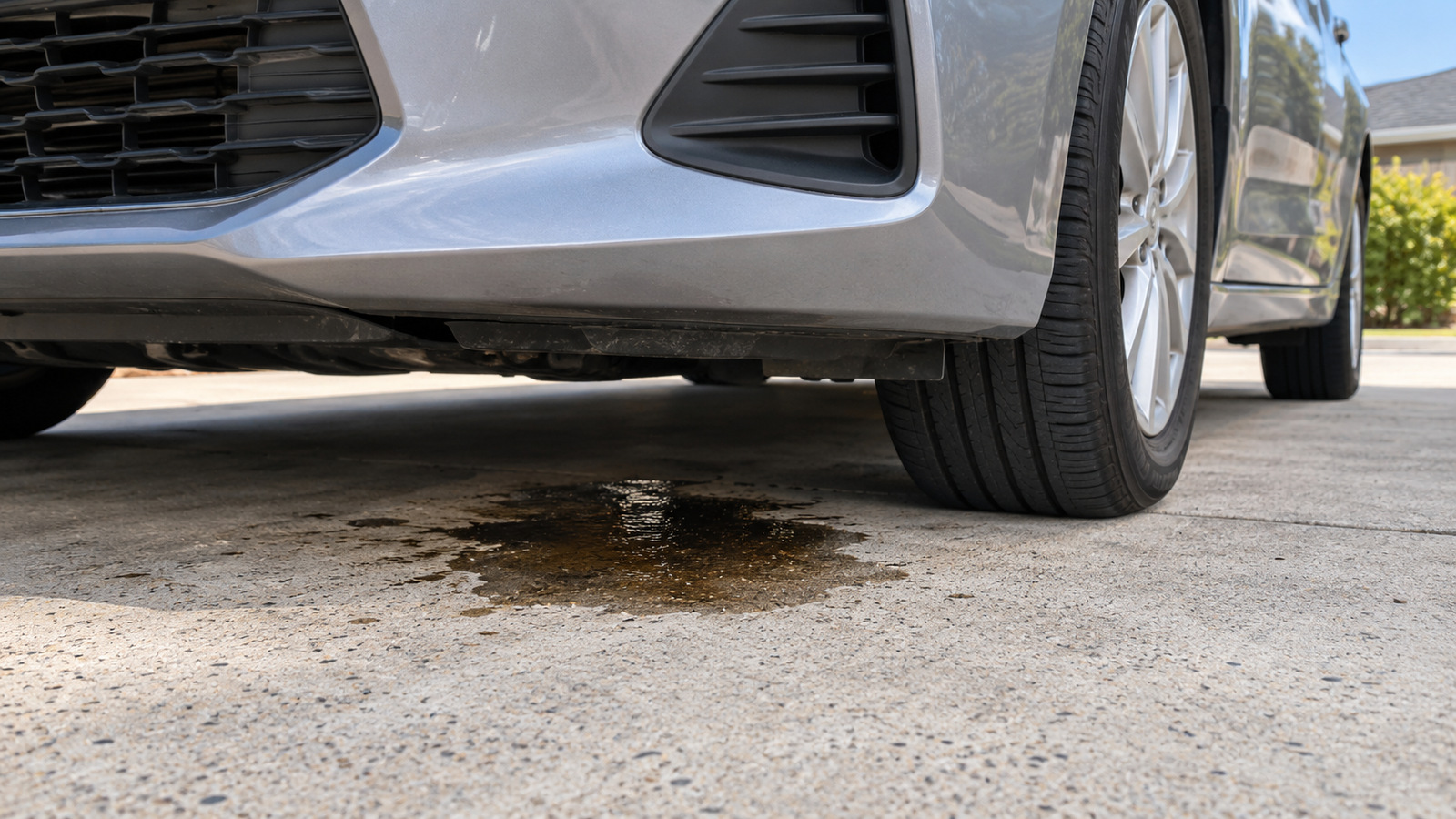
  • Any leak, stain or smell around the car 
  • Brake shudder, squeal or pedal change 
  • Tyre wear that looks uneven 
  • Coolant level that keeps dropping 
  • Harsh, delayed or hesitant gear changes 
  • Battery trouble, especially on start-up 
  • Suspension knocks over speed humps 
  • Missing service records or incomplete logbook entries 

What should a new car warranty inspection check?

A new car warranty inspection should focus on faults, wear, records and symptoms that are easier to deal with before the manufacturer's warranty expires. Some items may be normal wear. Others may need to be raised with the dealer, manufacturer or warranty provider.  

Area to checkWhy it mattersWhat the driver may notice
Service history and logbookMissing or late services can complicate warranty discussions.No stamp, missing invoice or unclear digital record.
Warning lights and fault codesStored fault codes can show a problem even if the light is off now.Light appears then disappears, warning message on start-up.
Oil, coolant and fluid leaksSmall leaks can become bigger problems after warranty ends.Stains on driveway, low fluid levels, burning smell.
BrakesSome brake issues are wear-related, while shudder or vibration may need diagnosis.Squeal, vibration, long pedal travel, shaking under brakes.
Tyres and wheel alignmentUneven wear can point to alignment, suspension or steering issues.Car pulls, steering wheel sits off-centre, inner-edge wear.
Suspension and steeringWorn or loose parts can affect safety and tyre life.Knocks over bumps, vague steering, clunks when turning.
Air conditioningWeak cooling can point to low refrigerant, leaks or component faults.Takes too long to cool, works some days, strange smells.
Battery and charging systemModern cars rely heavily on battery condition and stable voltage.Slow crank, stop-start failure, electrical warnings.
Cooling systemSlow coolant loss can point to leaks, pressure faults or component wear.Coolant top-ups, temperature changes, sweet smell.
Transmission or gearbox behaviourEarly symptoms can be intermittent before they become expensive.Delayed engagement, harsh shifting, hesitation, flare.

The useful detail is not just whether something is broken today. It is whether there is a pattern that should be documented before the warranty period ends.


Why does service history matter before warranty ends?

Service history matters because it shows whether the car has been maintained on schedule, using the right fluids, parts and procedures. If a warranty question comes up later, clear service records make the conversation simpler. 

A logbook service follows the manufacturer's schedule for that vehicle. That usually means the service is based on time, kilometres, engine type and the required items listed for that interval. 

Servicing at an independent workshop does not automatically void a manufacturer warranty, provided the service is carried out correctly and appropriate parts and fluids are used. 

The key is record keeping. Keep invoices, service reports, digital service confirmations and any notes about faults raised at the time of the service. If a problem started while the manufacturer warranty was still current, you want a clear record of when it was first noticed. 

If a service has been missed or delayed, it is still better to be upfront. A mechanic can explain what has been done, what is overdue and what should be checked next.

Should intermittent faults be checked?

Intermittent faults should be checked before the warranty ends because they often leave clues, even when the car seems normal on the day of inspection. Modern cars store fault codes, freeze-frame data and system warnings that may help narrow down what happened. 

Examples worth documenting include: 

  • A warning light that appears once, then disappears 
  • Slow coolant loss with no obvious puddle 
  • Brake shudder only at higher speed 
  • A rattle over speed humps or driveway entries 
  • Transmission flare, hesitation or harsh shifting 
  • Stop-start system warnings 
  • Infotainment faults, screen freezing or camera glitches 
  • Battery warnings after the car has been parked 

A video can help. If a noise, warning or fault only happens occasionally, record it safely when the car is parked or ask a passenger to record it. Note when it happens, such as cold start, hot weather, freeway driving, reversing, turning, braking or going over bumps.

Can an independent mechanic inspect a car under warranty?

An independent mechanic can inspect and service a car that is still under warranty. Warranty claim decisions, however, are made by the manufacturer, dealer or warranty provider, not by the independent workshop. 

That distinction matters. Chandos Auto can help identify, document and explain possible faults, so you know what to raise through the correct warranty channel. The workshop can also service the car, check records, scan for fault codes and explain whether an issue looks like wear, damage, poor maintenance or a possible warranty concern. 

Australian Consumer Law may still apply after a manufacturer's warranty ends, depending on the fault, the age of the vehicle and what would be reasonable for that vehicle. A warranty-end inspection is still useful because it gives you a clearer record of what was happening before the manufacturer's warranty expired. 

This is not legal advice. If a warranty or ACL dispute becomes complicated, the next step is to speak with the dealer, manufacturer, warranty provider or the relevant consumer authority. 

What does a warranty-end inspection not do?

A warranty-end inspection is useful, but it does not control the outcome of a manufacturer or dealer warranty decision. 

It does not: 

  • Guarantee the manufacturer will approve a claim 
  • Replace the manufacturer's warranty process 
  • Mean every worn part is a warranty fault 
  • Override warranty terms, service history or consumer law 
  • Turn normal maintenance items into warranty repairs 
  • Confirm coverage under an extended or conditional warranty 
  • Remove the need to contact the dealer or warranty provider 

This is why the report and conversation matter. If a possible warranty issue is found, the next step is usually to contact the dealer, manufacturer or warranty provider with the details. 

Louder than usual exhaust noise

When should you book the inspection?

Book the inspection several weeks before the warranty expires, not on the final day. Leaving it too late can make the process harder, especially if the problem is intermittent or the dealer needs time to assess the car. 

Booking earlier gives you time to: 

  • Inspect the vehicle properly 
  • Gather service records 
  • Review any stored fault codes 
  • Recheck intermittent faults if needed 
  • Book with the dealer or warranty provider if required 
  • Decide what is urgent and what can wait 
  • Sort normal servicing before the warranty date closes 

This timing matters for any driver who relies on the car daily. If the car is needed for school runs, commuting, client visits or weekend trips, you do not want the warranty date to pass while you are still trying to work out whether a fault exists. 

If you are near Cheltenham and your warranty date is coming up, Chandos Auto can inspect the vehicle several weeks before expiry so you have time to decide what needs to happen next.

What should you bring to Chandos Auto?

Bring anything that helps the mechanic understand the car's history and the timing of the fault. 

Useful items include: 

  • Service book or digital service records 
  • Warranty paperwork, if available 
  • Photos or videos of intermittent faults 
  • A list of noises, smells, leaks or warning lights 
  • Details of when the fault happens 
  • Any recent invoices or dealer notes 
  • A note of the warranty expiry date 
  • The spare key, if there are key or immobiliser issues 

The most useful fault description is specific. Instead of saying "the car feels weird", say: "It hesitates when I accelerate from cold, mostly in the morning, and it has happened three times this month." 

That kind of detail helps the mechanic test the right systems first.

What should happen after the inspection?

After the inspection, the next step depends on what is found. 

If no issue is found, keep servicing the car normally and keep the inspection record with your paperwork. This still gives you a useful condition snapshot near the end of the warranty period. 

If a wear item is found, such as tyres, brake pads or wiper blades, ask for a quote and decide whether to repair it now or plan it into the next service. Not every worn part is a warranty issue. 

If a possible warranty issue is found, contact the dealer, manufacturer or warranty provider and explain what the inspection found. Ask what they need from you, such as photos, a diagnostic report, a booking, a fault-code printout or a dealer inspection. 

If a safety issue is found, do not delay repairs just because a warranty question is involved. Brakes, steering, suspension, tyres, coolant loss and warning lights can affect whether the car is safe to keep driving. 

Frequently Asked Questions

Yes, it is sensible to have the car checked before the manufacturer's warranty expires, especially if you have noticed warning lights, leaks, noises, weak air conditioning, braking changes, battery trouble or transmission behaviour. The inspection gives you a clearer record of the car's condition before the warranty period closes. 

Yes. Servicing at an independent workshop does not automatically void a manufacturer warranty, provided the service is carried out correctly and appropriate parts and fluids are used. Keep proper records, invoices and service details. 

Tyres, brake pads and other wear items are usually treated differently from faults in major components. Normal wear is not the same as a manufacturing defect. If brakes or tyres are wearing unevenly, shuddering or failing early, they should still be checked so the cause can be understood. 

Write down when the fault first appeared, keep any photos or videos, and have it checked before the warranty date passes. Australian Consumer Law may still apply after a manufacturer's warranty ends in some circumstances, but a clear record makes it easier to explain what happened and when it started. 

More Car Care Articles

Book for your auto service at the push of a button

Our technicians have worked on almost every vehicle available, which gives them vast experience and enables quick diagnosis of faults or problems saving our customers time and money.
Book a service or RWC certificate inspection today

Need a Roadworthy Certificate? 

If you're selling a car, transferring registration, or simply want to make sure your vehicle is safe, you’ll need a valid Roadworthy Certificate (RWC).


At Chandos Auto Repairs, we’re fully licensed to carry out inspections and issue RWCs quickly and professionally. 
Protect your sale, protect your safety — book your roadworthy inspection with Chandos today. 
  • Fast, thorough inspections 
  • Honest, transparent advice 
  • Competitive pricing 
  • Pre-inspection checks available if needed 
Drive away knowing your car is in expert hands.

Book Your Service or Inspection Today 

Whether it’s time for your next scheduled service or you need a roadworthy certificate, we’re ready to help.

Testimonials

Chandos Autos

Trading Hours

Monday - Friday
  • 8am - 5pm
Saturday
  • By appointment
Sunday
  • Closed
© Copyright 2026 Chandos Autos. All Rights Reserved.

Web design by CJ Digital