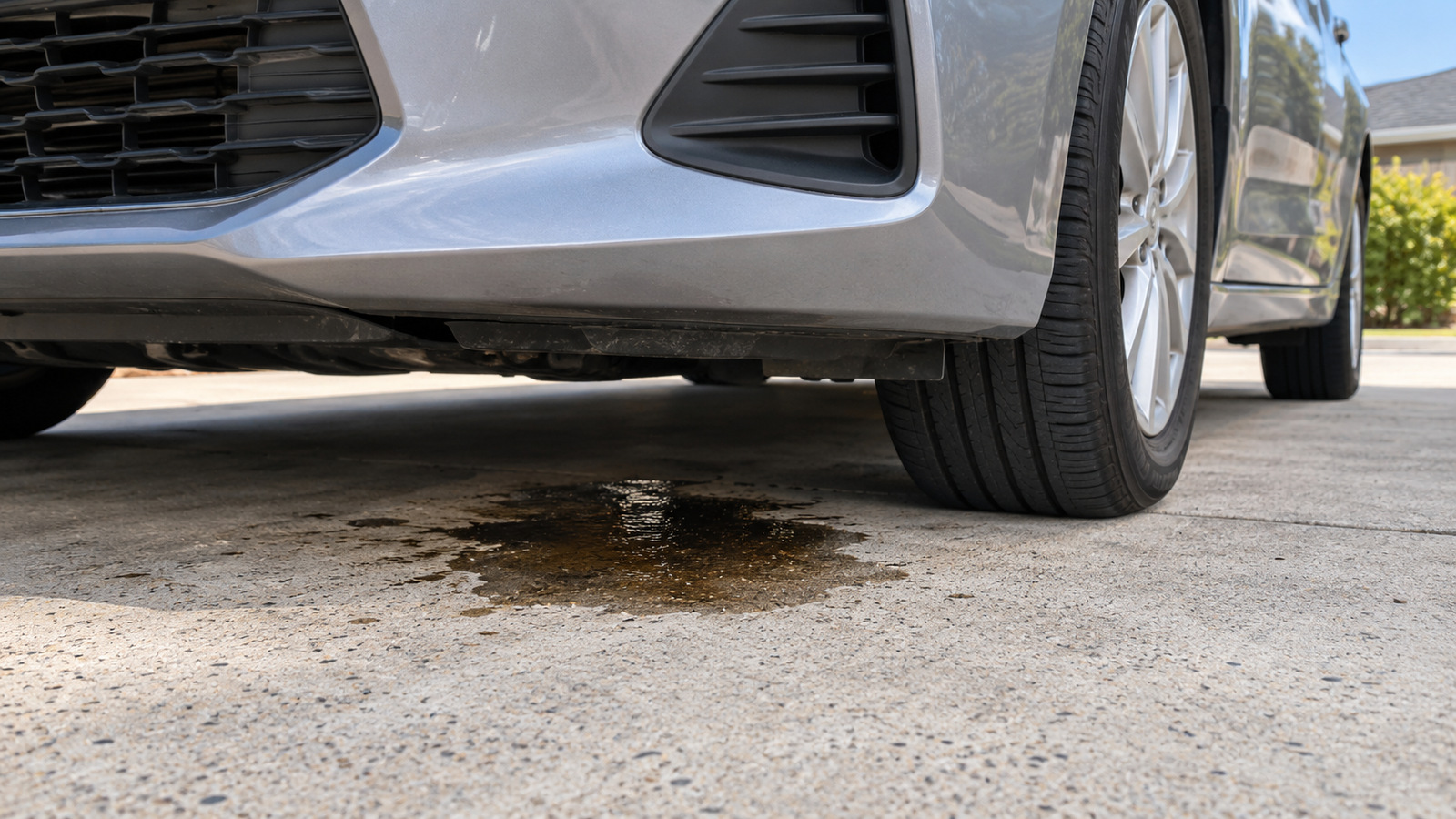
You’re sitting at the lights on Nepean Highway and there’s a low rumble you don’t remember hearing last week. Or you’ve caught a whiff of something sharp inside the cabin with the windows up. Either way, something’s not right underneath your car.
Your exhaust system does more than muffle engine noise. It channels toxic gases away from the cabin, helps your engine run efficiently, and keeps your car compliant with emissions standards. When part of it fails, the signs are usually obvious if you know what to look for.
Here are the most common exhaust symptoms, what they mean, and how to tell whether it can wait or needs attention now.


Louder than usual exhaust noise
This is the one most people notice first. Your car sounds deeper, throatier, or just louder, especially when accelerating or going uphill.
The most likely cause is a hole or crack somewhere in the exhaust. Rust eats through mufflers and pipes over time, particularly in cars that do a lot of short trips where moisture inside the system never fully burns off. A cracked exhaust manifold – the component bolted directly to your engine – creates a similar noise but tends to be louder at cold start and quieter once the engine warms up.
Broken exhaust hangers can cause this too. These are the rubber mounts that hold the system in place underneath the car. When one breaks, the pipes shift and can separate at a join, letting noise escape through the gap.
Louder than usual exhaust noise
Rattling or vibrating underneath
A metallic rattle or buzz from under the car, especially over bumps or at certain engine speeds, is usually a heat shield or broken hanger.
Heat shields are thin metal plates that stop exhaust heat from reaching nearby components. They’re held on with bolts and clips that corrode over time. When one comes loose, it vibrates against the exhaust pipe and sounds worse than it is. This is usually a quick, low-cost fix.
A broken hanger lets the exhaust droop or swing, knocking against the underside of the car. Left alone, this puts stress on the joints and can lead to cracks or separations that are more expensive to repair.

Exhaust fumes inside the cabin
Exhaust gases contain carbon monoxide. In its pure form, carbon monoxide is colourless and odourless, but it’s mixed with other exhaust chemicals that you can smell. Carbon monoxide poisoning causes headaches, dizziness, and nausea. In severe cases it can be fatal. Even mild exposure over a long drive is dangerous.
The usual cause is a leak somewhere between the engine and the tailpipe, combined with a gap in the cabin seal – a rust hole in the floor, a damaged grommet, or an open boot seal. The gases find their way in instead of exiting out the back.
If you notice this symptom, get the car to a mechanic immediately. Don’t drive it with the windows up. This is a safety issue, not a maintenance item.
Visible rust or damage under the car
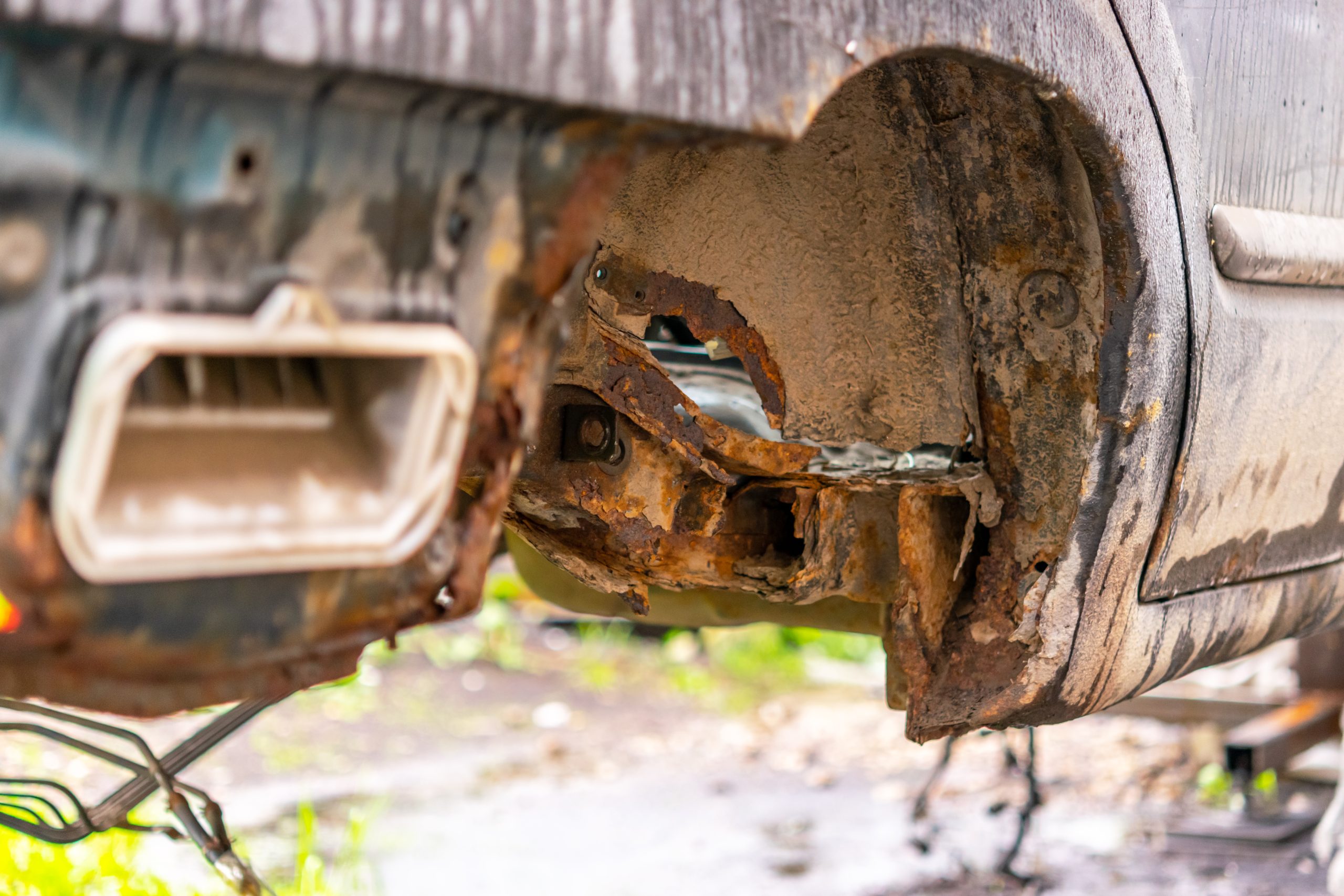
If you can see rust, holes, or hanging components underneath, your exhaust system is already past the early warning stage.
Exhaust systems corrode from the inside out. Moisture from combustion condenses inside the pipes and muffler, and over time it eats through the metal. Cars that mostly do short suburban trips are more prone to this because the exhaust never gets hot enough to burn off that moisture.
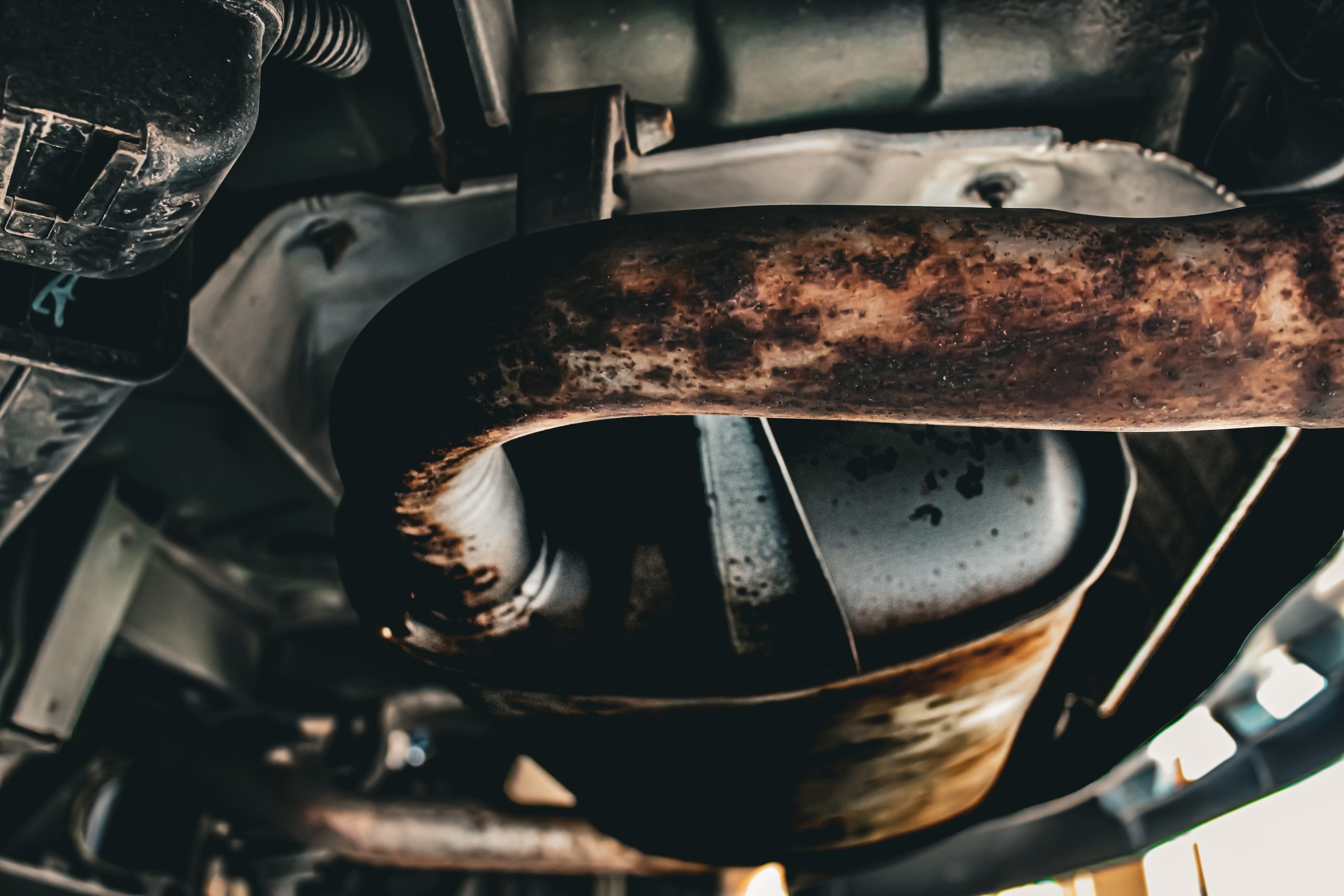
Grab a torch and check underneath. Look for:
- Orange or brown discolouration on the muffler, pipes, or joins
- Flaky or crumbling metal that feels thin to the touch
- Visible holes in the muffler or pipe sections
- Components hanging low or sitting at odd angles
If you spot any of these, the system is well into its decline and worth getting inspected before something lets go completely.
Reduced fuel economy or sluggish performance
Your exhaust system is engineered to maintain specific backpressure that helps the engine run efficiently. When something goes wrong – a blockage, a leak, or a failing catalytic converter – the engine has to work harder.
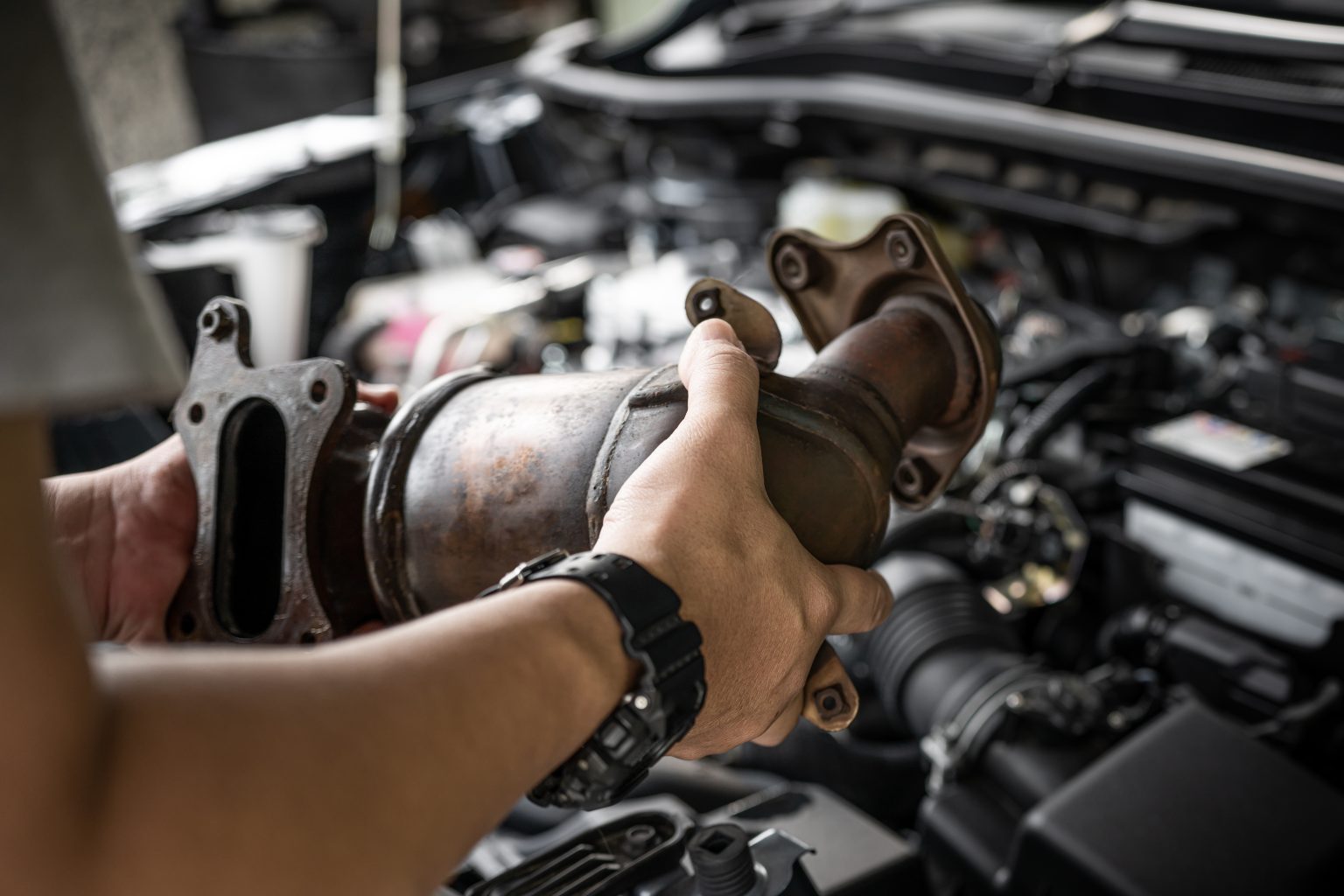
A blocked catalytic converter is the most common culprit. The catalytic converter breaks down harmful emissions using an internal honeycomb structure that can deteriorate or clog over time. When this happens, exhaust gases can’t flow freely, backpressure builds up, and you’ll notice reduced power and higher fuel use.
If your car already has a power loss issue, it’s worth reading our article on power loss under load. Exhaust backpressure is one of the causes we cover there.

Louder than usual exhaust noise
Check engine light with exhaust symptoms
A check engine light on its own could mean many things. But if it appears alongside any of the symptoms above – noise, smell, poor performance – there’s a good chance it’s exhaust-related.
Modern cars have oxygen sensors in the exhaust that monitor how efficiently the engine is burning fuel. When a sensor detects a problem – a leak, a failing catalytic converter, a fuel mix that’s too rich or lean – it triggers the light. A diagnostic scan shows the specific fault code, and your mechanic can read it in minutes.

What happens if you ignore exhaust system problems
| Repair | Typical cost range |
|---|---|
| Gasket, hanger, or heat shield replacement | $100 – $300 |
| Muffler replacement | $150 – $500 |
| Exhaust pipe section replacement | $200 – $600 |
| Catalytic converter replacement | $500 – $2,000 |
| Full exhaust system replacement | $300 – $2,000+ |
When it’s minor vs when it’s urgent
Not every exhaust symptom needs same-day attention.
- Book within a week or two. A slight increase in volume, a rattle at certain speeds, minor surface rust, or a check engine light with no other symptoms.
- Book this week. Noticeably louder exhaust, a persistent rattle, reduced fuel economy, or sluggish acceleration paired with a check engine light.
- Stop driving and get it checked now. Exhaust fumes inside the cabin. No exceptions.
Frequently asked questions
In most cases, yes. A louder exhaust doesn’t mean the car is unsafe in the short term. But it does mean there’s a leak or damage somewhere, and it will get worse. Book an inspection within a week or two to prevent a small problem becoming expensive.
It depends on what needs fixing. Minor repairs like a gasket, hanger, or heat shield run $100 to $300. A muffler replacement costs $150 to $500. A catalytic converter is the most expensive component, ranging from $500 to $2,000 depending on the vehicle. Your mechanic can give you a clear quote after an inspection.
Yes. The exhaust system must be leak-free with an effective silencer. Holes, leaks, excessive noise, or missing components will all result in a fail.
Most factory systems last 5 to 10 years depending on driving conditions. Cars that mostly do short, low-speed trips wear out their exhaust faster because moisture builds up inside and accelerates corrosion. Regular highway driving helps because higher temperatures burn off that moisture.
Yes. A blocked catalytic converter or significant leak changes the backpressure in the system, which affects performance and fuel economy. In severe cases, a blocked exhaust can cause the engine to stall or refuse to start.
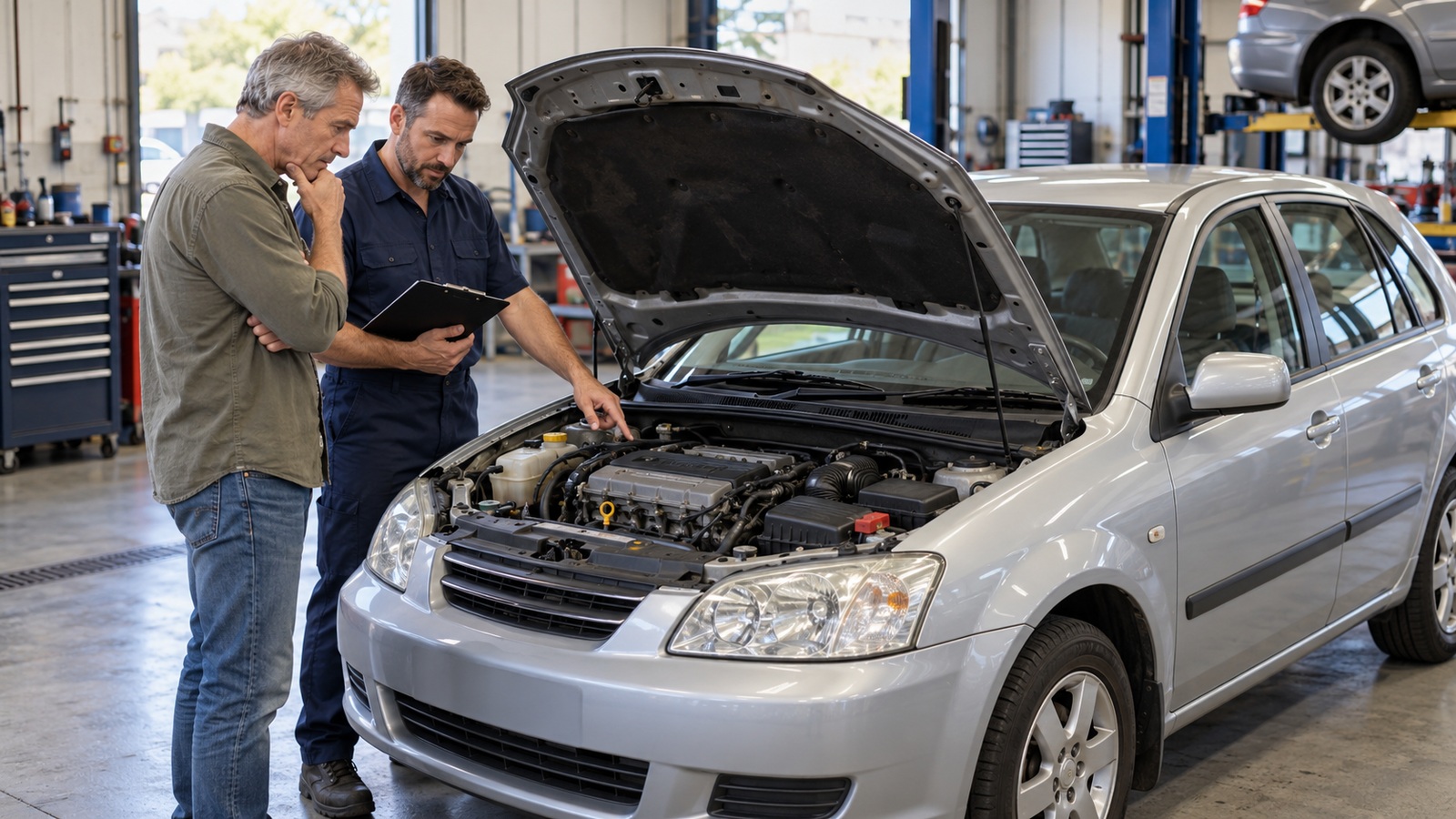
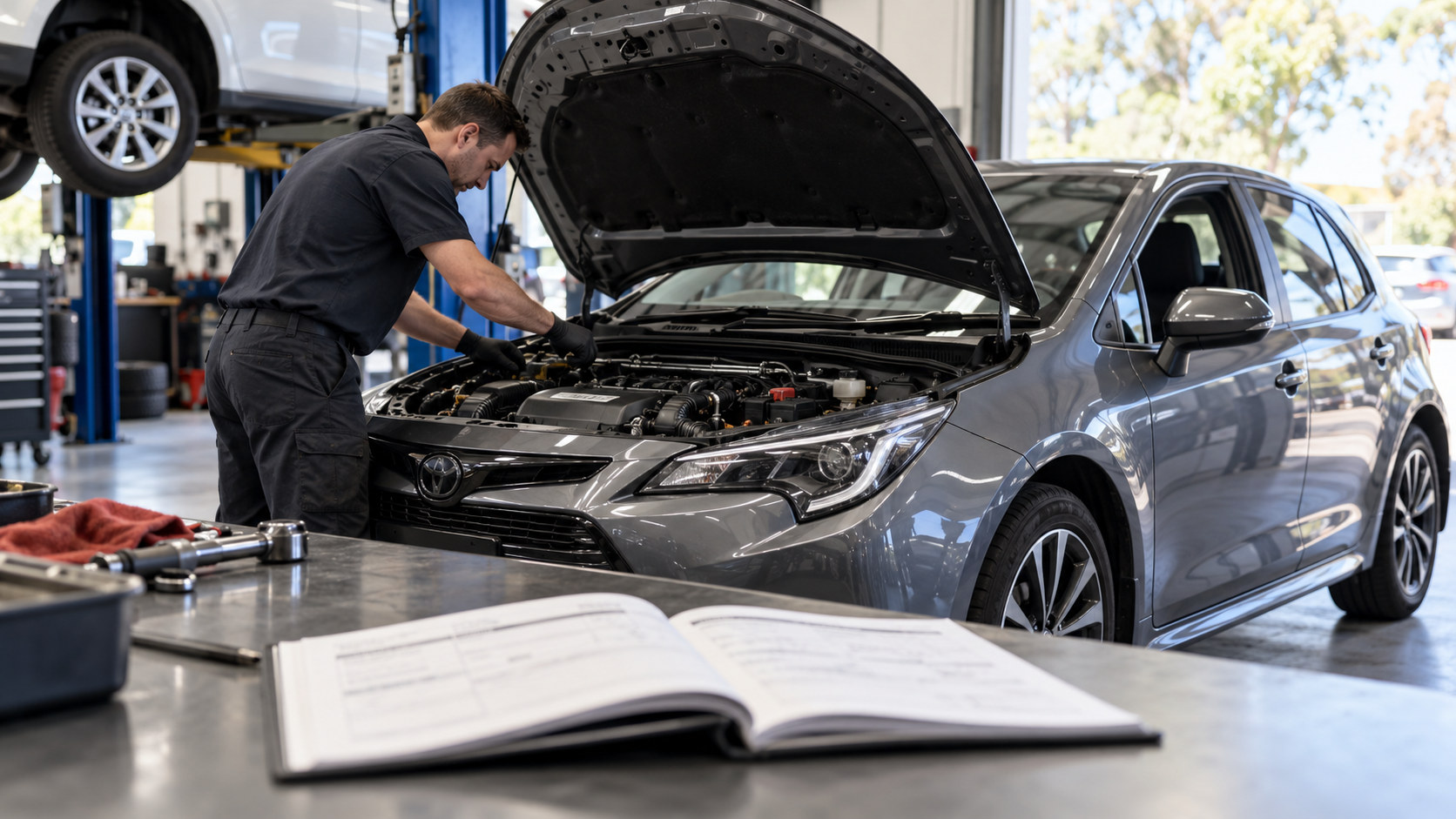
If you’ve noticed any of these signs, book an exhaust inspection at Chandos Auto before the problem gets worse. We’ll check the full system, pinpoint the issue, and give you a clear quote before any work starts.