You looked at a 2017 mid-spec sedan on the weekend. Private sale, driveway viewing, around 110,000 km on the clock. The owner can’t find the second key. The dash is clean, the body looks straight, and the short test drive felt fine. The price is fair, you’ve got the money ready, and the seller wants a decision by Friday.
What would a pre-purchase inspection catch on that car that you wouldn’t?
Pre-purchase inspections at Chandos Auto in Cheltenham turn up the same patterns on most used cars. The faults are rarely the dramatic, headline-grabbing ones. They are the everyday faults that drop a car’s real value by a thousand dollars or more, and the less obvious ones that show up six months after you sign the papers. Here is the workshop view of what gets found, and why it matters before you pay.

What a pre-purchase inspection finds
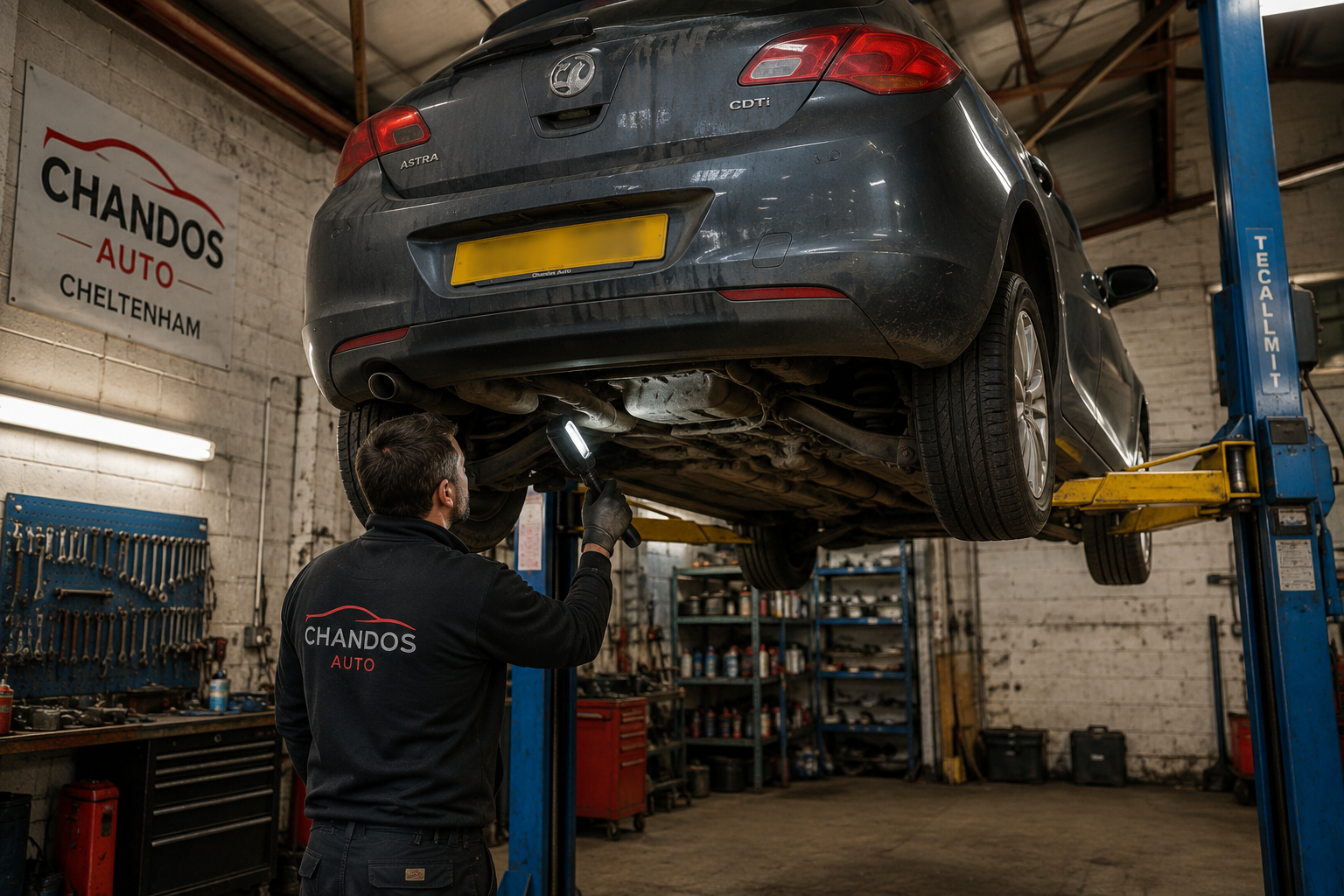
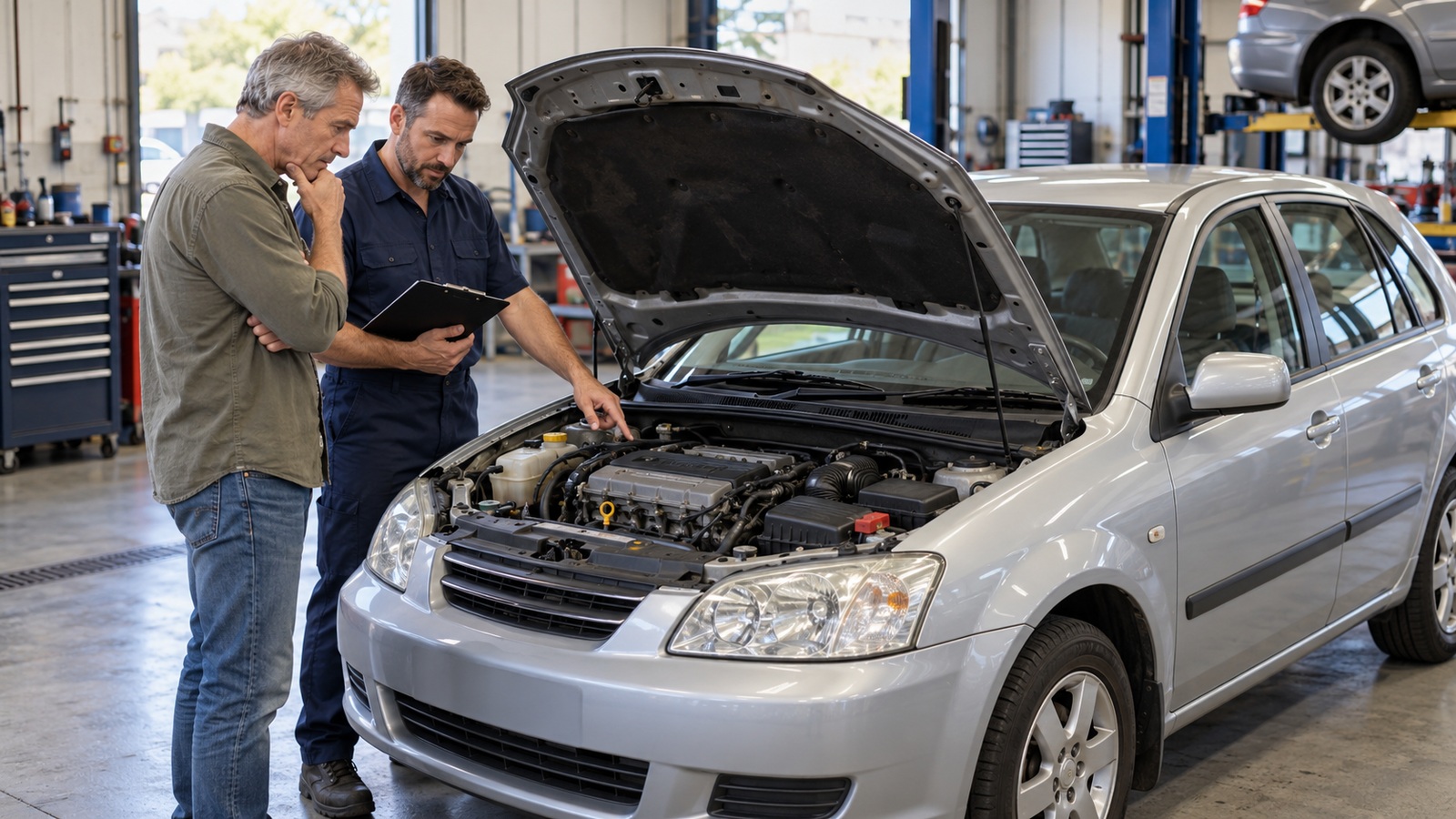
A pre-purchase inspection is a structured workshop check on a used car you are thinking about buying, done by a mechanic who has no stake in the sale. The inspector drives the car cold, lifts it on a hoist, scans the computer, checks the service history, and writes up everything the buyer cannot see from the driveway.
The procedural side, what gets checked and why a roadworthy is not enough, sits in our earlier post on what a pre-purchase inspection covers. This article is about the other side: what those checks turn up in the real world. Most used cars we inspect have at least three faults. Most are minor and easy to negotiate on. Some are deal-breakers.
The faults that show up on most used cars
The everyday list is short, predictable, and worth around $1,000 to $3,000 if you walk into it without knowing.
- Worn brake pads or scored rotors. Most private sellers do not change pads before sale. A car with 3 mm of pad left or scored rotors is a $400 to $900 job depending on the vehicle. Worth flagging on the offer.
- Tyres at 3 mm or below. Three millimetres of tread is the point a tyre starts losing wet grip fast. A full set of mid-range tyres is $700 to $1,400 fitted. A seller who has skipped tyres has usually skipped other wear items too.
- Perished suspension bushes. The rubber bushes on control arms and sway bars dry out and split, usually by 100,000 km on Melbourne roads. The car still drives, but the front end feels vague and the tyres wear unevenly. Bush replacement is $300 to $800 depending on how many need doing.
- A service history that does not match the odometer. A car with 130,000 km on the clock and three logbook stamps is a flag. Either the book has been lost (common) or services have been skipped (more common). The cost of skipped services is whatever the missed services would have caught, which on a chain-driven engine can run into the thousands.
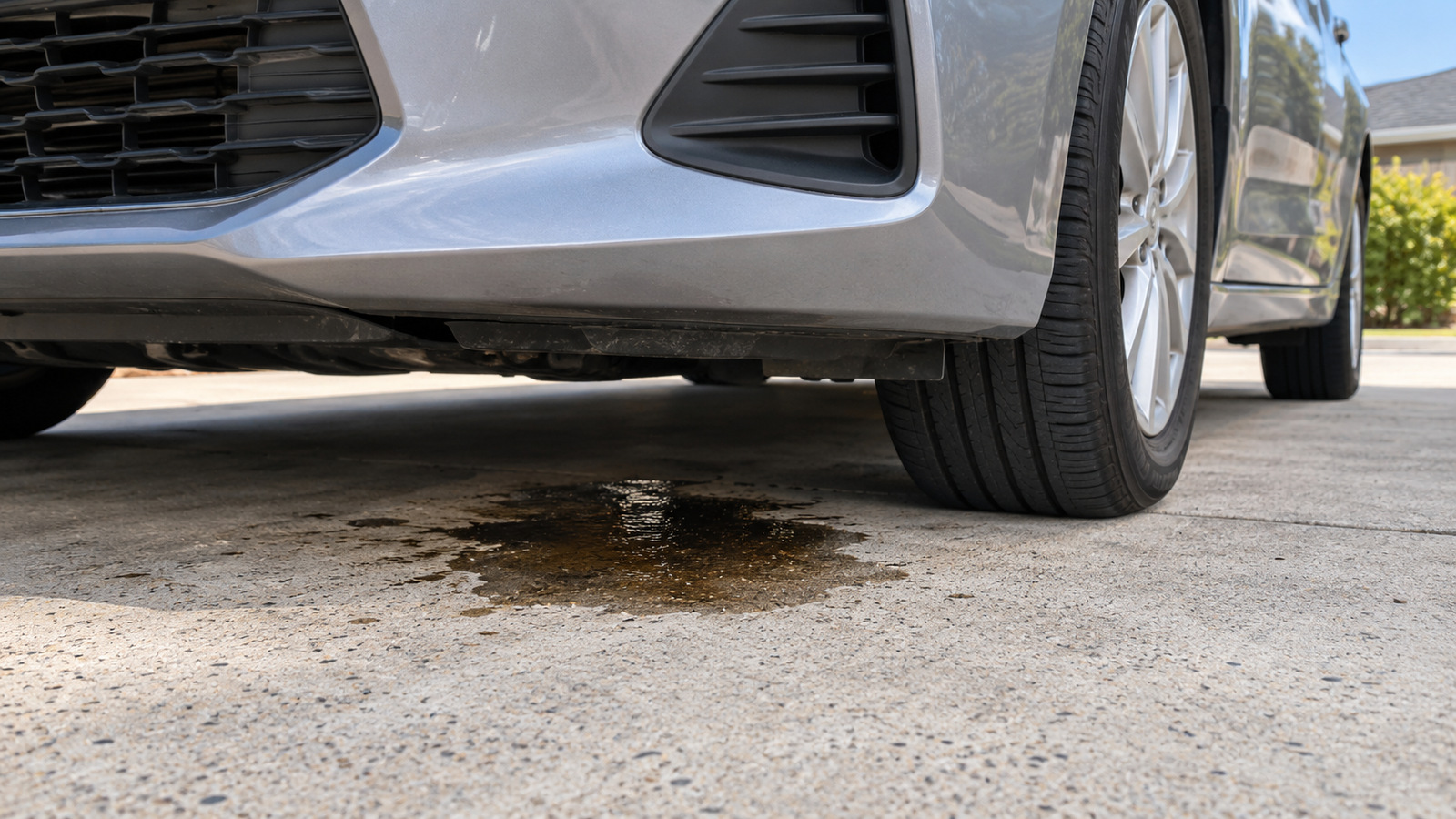
- Oil leaks from rocker covers or rear main seals. Common on older Japanese sedans, late-model Fords and Holdens, and most European cars past 150,000 km. A rocker cover gasket is $200 to $450. A rear main seal can be $1,500 plus because the gearbox usually has to come out.
Expensive faults that hide on a test drive
The everyday list above is what you negotiate on. The list below is what we look for harder, because getting one wrong turns a $20,000 car into a $40,000 mistake.
- DSG and dual-mass flywheel symptoms on European cars. A DSG is the dual-clutch automatic gearbox in many Volkswagen, Audi, Skoda and Seat models. It can shudder on take-off, hesitate between gears, or judder when stopped in traffic. A DSG mechatronic unit replacement is around $4,000 to $6,000. A dual-mass flywheel (the heavy disc between engine and gearbox) is $2,500 to $4,000. Both are common between 120,000 and 180,000 km.
- Timing chain rattle on small turbo engines. A handful of common engines have known timing chain stretch issues by 100,000 to 150,000 km: the VW Group EA888 (in many Volkswagen, Audi, Skoda and Seat models), BMW N20 and N47, and Mini N14. A cold-start rattle for two or three seconds is the early warning. Chain replacement on these engines is $2,500 to $5,500 depending on access.
- AdBlue and DPF issues on diesels. Diesel particulate filters (DPFs) trap soot from the exhaust and burn it off periodically. AdBlue is the urea fluid that newer diesels inject into the exhaust to reduce emissions. Late-model diesel utes and SUVs (Hilux, Ranger, BT-50, D-Max, Prado, Pajero Sport, MU-X) get expensive when either system is neglected or used only on short trips. A blocked DPF is $1,500 to $3,500 to clean or replace. An AdBlue injector and pump fault is another $1,500 to $2,500. Warning lights often get cleared before sale; a scan tool shows them.
- Transmission shudder on torque converter autos. Mostly Ford Falcons, older Holden Commodores, some Mazda CX-5s and Subaru Outbacks. A light shudder between 60 and 80 km/h on light throttle is the giveaway. A transmission rebuild is $3,500 to $6,000.
Signs a car has been crashed or flooded
Most cars have been bumped at some point. The question is whether the damage was repaired properly and whether it affected anything structural. Our earlier post on whether a mechanic can tell if a car has been in an accident covers this in more depth. The short list is:
- Panel-gap inconsistency. Bonnet, boot, and door gaps should be even on both sides. A bonnet gap that is 4 mm on one side and 8 mm on the other usually means a front-end repair.
- Paint depth mismatch. A paint gauge reads the thickness of paint on a body panel. Original panels usually sit at 100 to 140 microns. A repaired or repainted panel is often 200 microns or more. We carry a gauge on every inspection.
- Fresh seam sealer. Factory seam sealer is uniform and tidy. Repair seam sealer is lumpy, off-colour, and usually only in one spot. Lifting the boot carpet or looking inside the door shuts will show it.
- Overspray inside door shuts and engine bay. Paint where it should not be. Often the cheapest tell.
- Water tide marks under carpets. Lift the carpets in the front footwells and the boot. A clear horizontal line across the metal floor is a flood marker. Flooded cars often show up after major weather events, repaired, registered interstate, and re-sold months later.
What the seller didn’t know vs what the seller didn’t say
Most sellers are not hiding anything. They are selling a car they have driven daily for years and they have stopped noticing the things you would. A small oil weep, a slight steering pull, a faint exhaust drone, a brake squeal on the first stop of the morning. Things you live with do not feel like faults.
The other group is smaller but real. A seller who refuses an inspection, drops the price suddenly, or insists on a cash sale by the weekend is telling you something. So is a freshly-detailed engine bay on a private sale. Clean engines are not normal on a 10-year-old car; they are usually clean because something was being hidden.
The job of an independent inspection is to separate the two. A car with three honest faults is still worth buying at the right price. A car with one undisclosed structural issue is not, at any price.
Louder than usual exhaust noise
What a pre-purchase inspection costs and what’s included
A pre-purchase inspection in Melbourne costs between $220 and $350 for most cars at a workshop-based mechanic. Mobile inspections at the seller’s address run around $180 to $300. European cars, prestige models, and 4WDs sit at the upper end of either range because the diagnostics take longer.
What you get matters more than what you pay. A scan-only check (computer plugged in, fault codes read, no physical inspection) is $100 to $150 and tells you almost nothing about a modern car, because fault codes get cleared at start-up and the structural and wear issues never show on a scanner anyway. A full inspection should include:
- A cold start
- A road test
- A hoist inspection of the underbody and brakes
- A paint depth check on every panel
- A service-history review
- A scan with codes recorded in the written report
Ask before you book.
Chandos Auto does pre-purchase inspections on cars across Cheltenham, Bayside and Kingston, on vehicles brought in from sellers anywhere across the south-east. The car comes to our Chandos Street workshop for the inspection. The buyer gets a written report by the end of the day, plus a phone call to talk through anything that matters.
Frequently Asked Questions
A full workshop inspection takes around 90 minutes to two hours, including the road test, hoist check, scan, and history review. The written report usually lands with the buyer the same day.
Yes. Most of what gets found is easier to explain in person than over the phone, and buyers often have specific questions about a car they have already looked at twice. Call ahead so we know to expect you.
That is worth treating as a flag, not always a dealbreaker. Some genuine sellers do not want a stranger driving their car off-site. If they are open to it, ask whether you can pay to have the car towed to the workshop, or arrange a mobile inspector who can come to the seller’s address. If the seller refuses both, walk away.
Yes. A roadworthy certifies that the car meets minimum safety standards on the day it was issued. It does not check service history, engine wear, transmission condition, accident history, or anything that will not fail the car for safety. Our earlier post on what a pre-purchase inspection covers explains the difference in detail.
Before you sign
Back to the 2017 sedan. On a car like that, an inspection would usually find:
- At least three of the everyday faults above (pads, tyres, bushes, oil weeps, or service-history gaps)
- Possibly a transmission or timing chain symptom on the test drive
- A missing second key that costs $300 to $600 to replace and program through the dealer
Worth knowing before you negotiate, not after.
If you have found a car worth a closer look, book a pre-purchase inspection before you put down a deposit. Walking away from a bad buy is free. Walking into one is not.