It usually starts with a conversation over the back fence or a message in the family group chat.
Someone is selling a car. The car runs well, looks decent, and has been reliable for years. The roadworthy inspection is treated as a formality. A box to tick before the buyer hands over the money.
Then comes the phone call from the workshop. The car has failed. New tyres needed on one side. A sway bar link with play in it. A brake light that works when it feels like it. The buyer, who was keen yesterday, is now making noises about waiting. The seller is suddenly paying for repairs they did not expect, a re-inspection they did not budget for, and a second day off work they cannot afford.
This happens across Melbourne every week. It happens to cars that genuinely do drive fine.

What a roadworthy actually checks (and what it does not)
It does not tell you about the health of the engine, the gearbox, the air conditioning, or the timing belt. It does not predict what will fail next month. Consumer Affairs Victoria notes that for registered vehicles, sellers generally need to provide an RWC that is not more than 30 days old. That is a tight window if the first attempt goes sideways.
The gap between “drives fine” and “passes a roadworthy” is where most sellers lose time and money. Worn suspension bushes can feel normal from the driver’s seat but show measurable movement when a mechanic lifts the car and loads the wheel. Tyres that look acceptable at a glance can have edge wear, sidewall cracking, or tread sitting right on the legal minimum. A small oil leak that has been there for two years is still an active leak on the day of the inspection.
None of this means the inspection is harsh. It means the inspection is looking for things the driver has learned to live with.
The re-test trap
The first is booking the inspection before checking anything. The car fails on two or three items. Now the seller is paying for repairs and a re-inspection slot, often with a parts delay in between. If the re-inspection does not happen within 14 days, the whole process starts again from scratch.
The second is rushing cheap fixes under pressure. Wiper blades, globes, and tyres fitted in a hurry can be done badly. A replacement globe that does not seat properly will flicker. Wiper blades grabbed from the wrong shelf will smear. The seller pays twice for the same job.
The third is guessing at the problem instead of confirming it. A common example: the seller replaces a blown globe, but the real issue is a corroded socket or a poor earth. Or new brake pads go on, but the actual fail item is a sticking caliper. The repair does not fix the fail, and the re-test confirms it.
The trick is not to become a home mechanic. It is to triage the car before committing to the booking.
Before you book: the decision that saves the most money
If warning lights are showing on the dashboard (ABS, airbag, ESC, or engine), do not book the roadworthy yet. Book a diagnostic check first. Modern cars store fault codes, and trying to clear a warning light without fixing the underlying problem is a waste of everyone’s time. The light comes back. The fault is still there.
If the car has symptoms like brake vibration, steering looseness, clunks over bumps, visible leaks, tyre edge wear, or windscreen damage, get a pre-roadworthy check or a targeted inspection before the formal test. It is cheaper to fix known items before the clock starts than to discover them on the day.
If none of those apply, run through the owner checks below. If everything passes with no “maybes,” book the roadworthy. If anything is uncertain, fix the simple things first and get the rest confirmed by a mechanic.
The logic is about spending time where it costs the least. Ten minutes in the driveway catches the embarrassing fails. An hour in a workshop catches the expensive ones. The roadworthy itself should be the confirmation, not the discovery.

Five failure patterns that cause most re-tests

What each pattern looks like, what causes it, and how to confirm it
| What you notice | Safe check you can do | Likely cause | Why it becomes a fail | What confirms it |
|---|---|---|---|---|
| Clunk over bumps or speed humps | Listen at low speed. Look for uneven tyre wear | Worn sway bar links, bushes, or ball joints | Play found in steering or suspension components | Movement visible during lift inspection |
| Brake vibration or pulling to one side | Straight, safe road at moderate speed | Pad deposits on rotors, rotor wear, sticking caliper | Braking performance imbalance or worn parts | Uneven pad wear, one wheel hotter than the other |
| Tyres look acceptable but the car wanders | Check tyre pressures. Inspect tread edges and sidewalls | Alignment issue or suspension wear | Tyre condition below legal standard | Edge wear, cupping, sidewall cracking |
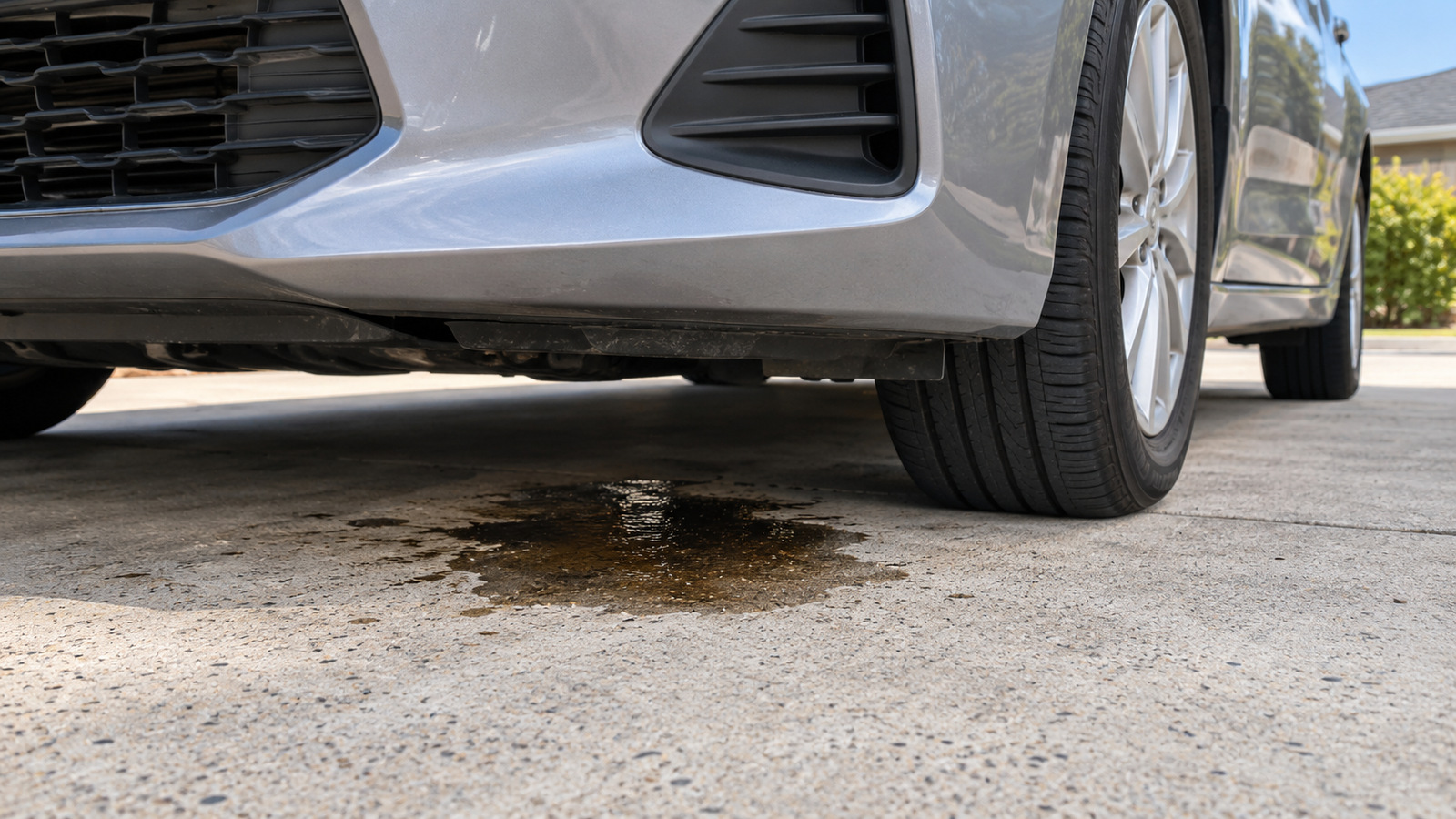
| Oil spot under the car | Note where the drip falls after parking overnight | Active leak from engine, gearbox, or power steering | Active fluid leakage at the time of inspection | Fresh wetness, drops forming, residue trail |
| A light that works sometimes | Wiggle the globe with engine off. Check both sides | Corroded socket or poor earth connection | Mandatory lamp not operating | Intermittent fault reproduced during testing |
Ten-minute pre-checks you can do in the driveway

What not to touch
Getting this wrong creates a safety risk that goes well beyond failing an inspection.

If the car fails: how to avoid paying for the same problem twice
Ask the tester for the fail items in writing. Most licensed testers provide a written list as standard.
Bundle related work. If the front tyres have failed on inside edge wear, replacing the tyres alone does not fix the cause. The alignment needs checking, and possibly the suspension. Fitting new tyres without addressing the wear pattern means the new ones will chew out the same way, and the next inspection will have the same conversation.
Do not reset warning lights hoping they will stay off. Modern vehicles store fault codes. If a system is malfunctioning, clearing the light buys a few ignition cycles at best. The tester may also see stored codes that the dashboard is no longer displaying.
Book the re-inspection realistically. Parts delays, workshop availability, and delivery schedules are the real-world obstacles, not the inspection itself. Leaving it to the last day of the 14-day window is a gamble that does not need to be taken.
Consumer Affairs Victoria notes the certificate is valid for 30 days from issue in the selling context. That window feels generous until a re-test, a parts order, and a second booking eat into it.
FAQs
Often yes for registered vehicles, but there are exemptions. Check current VicRoads/Transport Victoria guidance for your vehicle and sale type.
In the context of selling a vehicle, Consumer Affairs Victoria notes it is valid for 30 days from the date of issue.
A roadworthy is a safety compliance snapshot. Many fail items involve measurable wear, leaks, or faults that are not obvious from the driver’s seat. The inspection is designed to find exactly these things.
The safe basics, yes. Lights, wipers, washers, tyres, seatbelts, and horn. Avoid working on brakes, steering, and suspension unless qualified and properly equipped.
It depends on the tester and what failed. Ask the licensed tester what the re-inspection process involves for the specific fail items.
No. Transport Victoria notes a roadworthy confirms the vehicle is currently safe to drive. It does not assess mechanical reliability, engine condition, or long-term wear.
If there is visible uneven wear, cracking, bulges, or the tread depth looks marginal, fix them first. Tyres are a binary fail and the single most common item that catches sellers out.
Booking a roadworthy before doing basic owner checks, then failing on simple items like lights, wipers, or tyres on top of one genuine mechanical issue. The re-test, the second day off work, and the delay that spooks the buyer cost more than the repairs themselves.
Sources
Transport Victoria – Roadworthy Certificate information
Consumer Affairs Victoria – Selling a car
VicRoads – Selling a vehicle