Most drivers feel it through the steering wheel first.
You press the brake pedal and the wheel starts to shake. It might be mild at low speed, stronger on the freeway or noticeable only when slowing from high speed. Brake shudder is one of the most common problems on modern vehicles, and it is almost always a sign that something needs attention.
A car should brake smoothly every time. When it does not, the cause is usually found in the braking system, wheel assembly or front suspension.
What brake shudder feels like
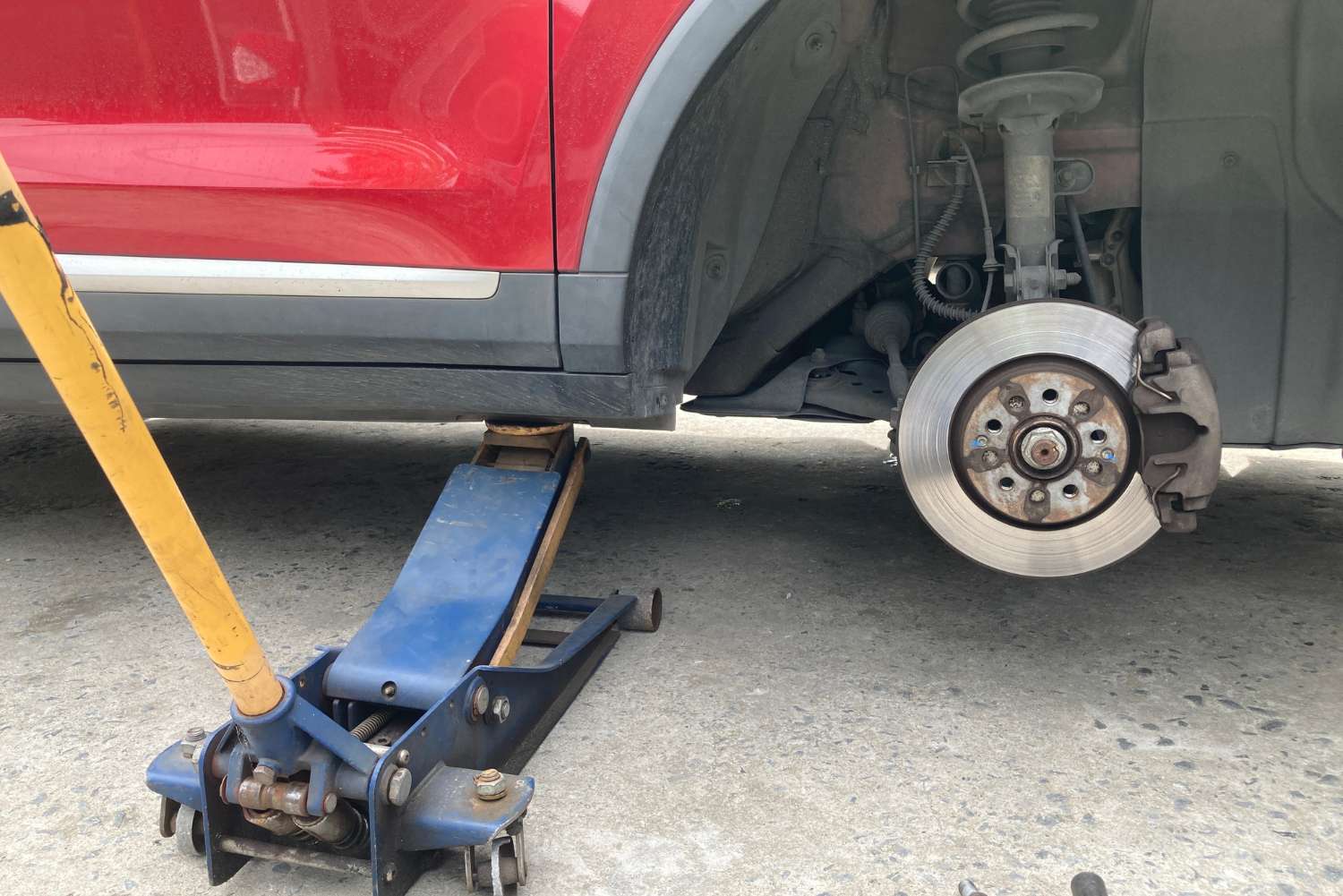
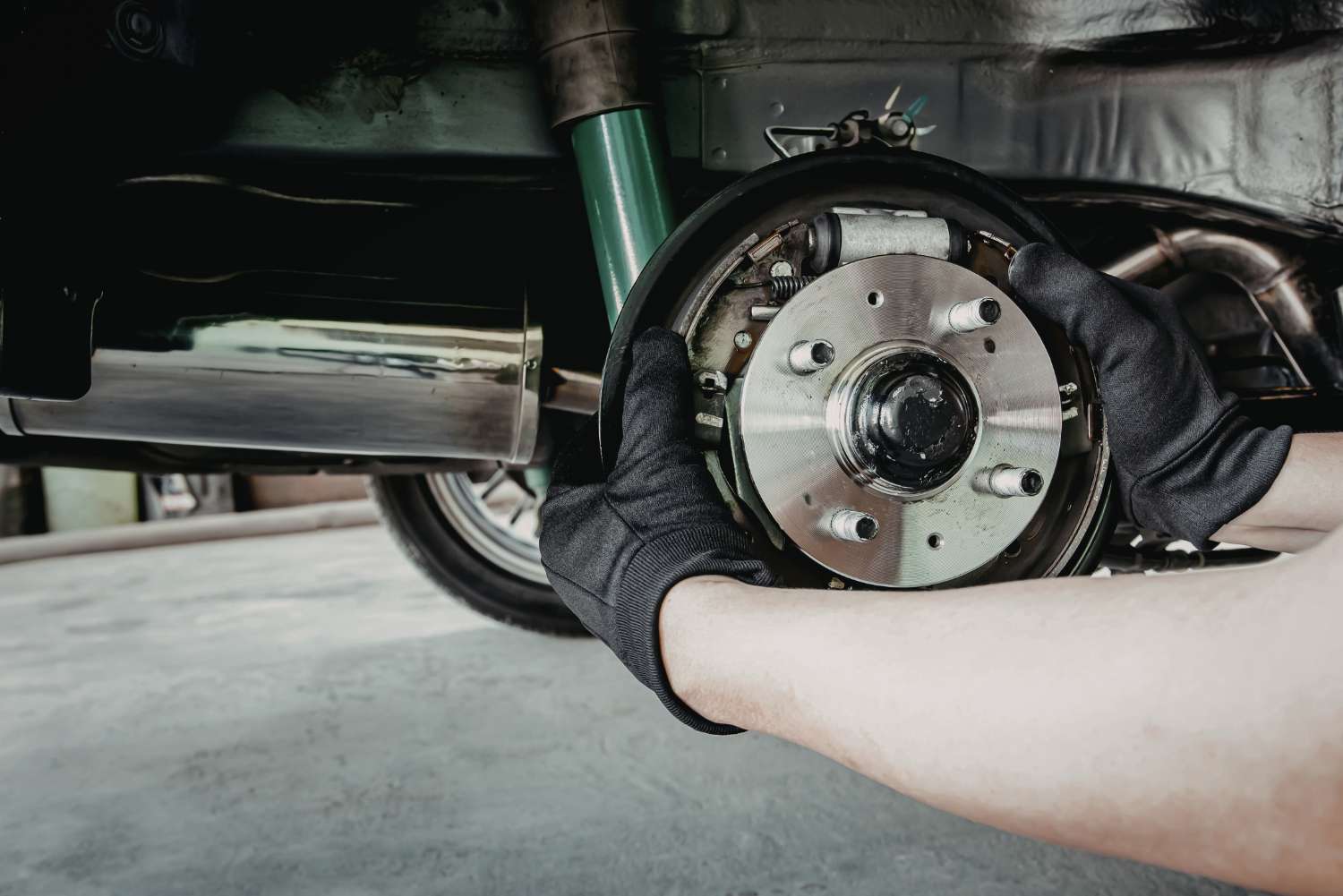
Most brake shudder leads back to the rotors
| Rotor Problem | What Drivers Notice | Why It Happens |
|---|---|---|
| Thickness variation | Shudder at high speed | Uneven pad contact or heat spots |
| Pad material deposits | Pulse through pedal | Stop start driving or heavy braking |
| Heat distortion | Vibration after long hills | Rotor overheats and warps |
| Rust patches | Low speed shudder | Car left standing or moisture buildup |

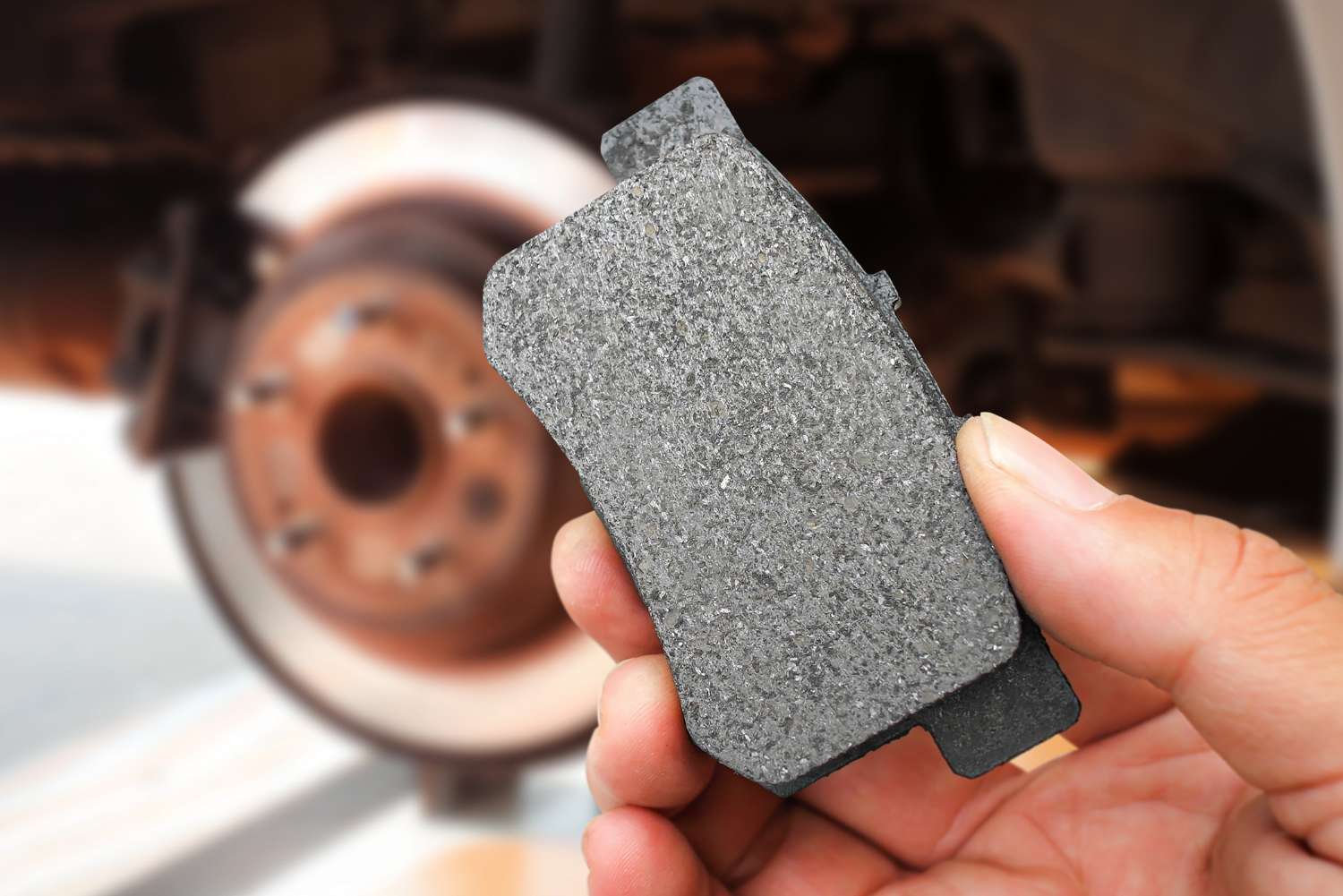
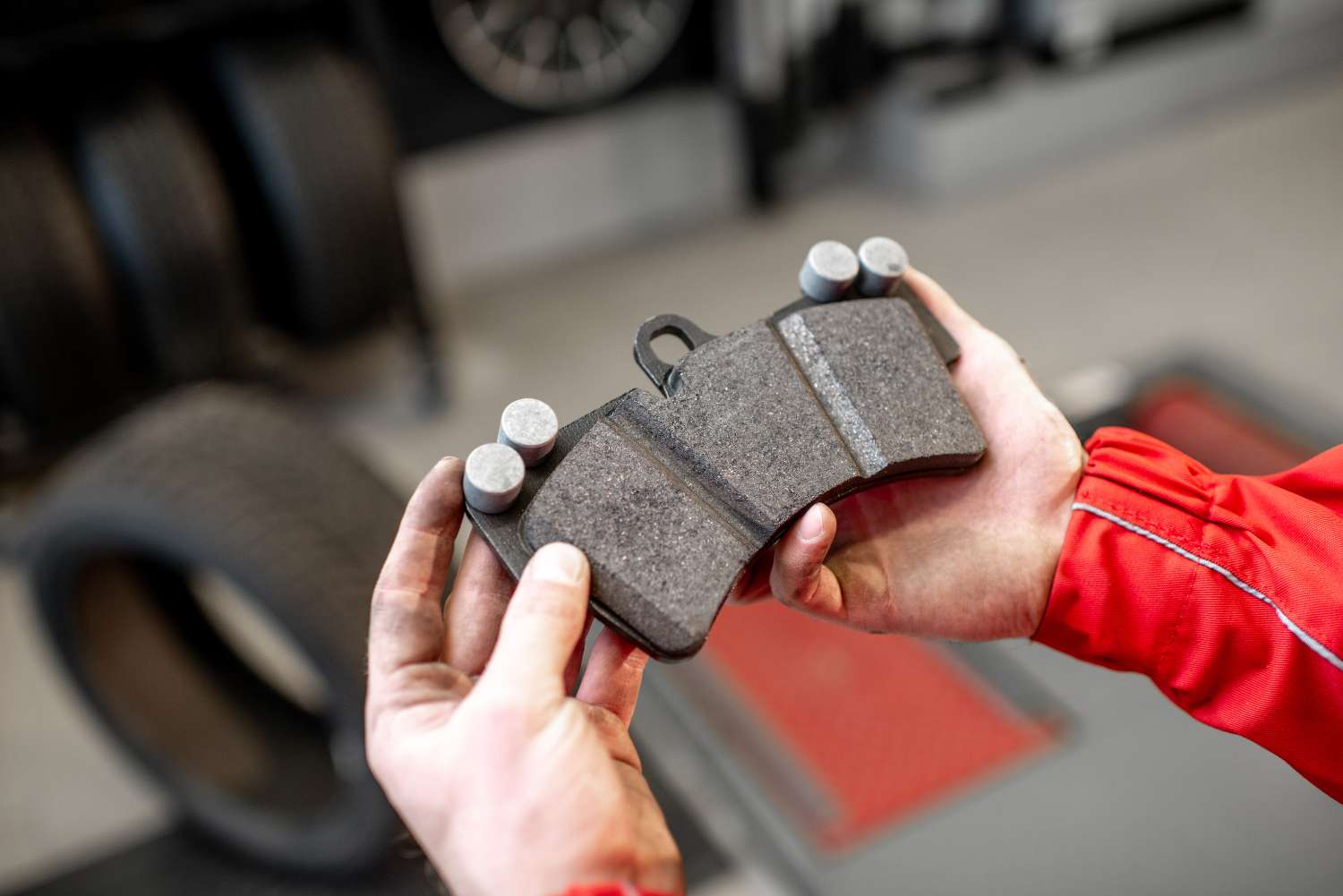
Brake pads also play a role
How pads cause vibration
Caliper issues can mimic rotor problems
Signs of caliper trouble

Wheel bearings and suspension can add to the shake
| Component | How It Feels | Why It Happens |
|---|---|---|
| Wheel bearings | Hum plus vibration | Bearing wear under load |
| Lower control arm bushes | Shake when braking downhill | Excess movement in arm |
| Ball joints | Vibration at specific speeds | Loose joint movement |
| Tie rod ends | Steering wobble when braking | Steering play amplified |
Why shudder is usually strongest from 80 km/h down to 40 km/h

Is brake shudder dangerous?

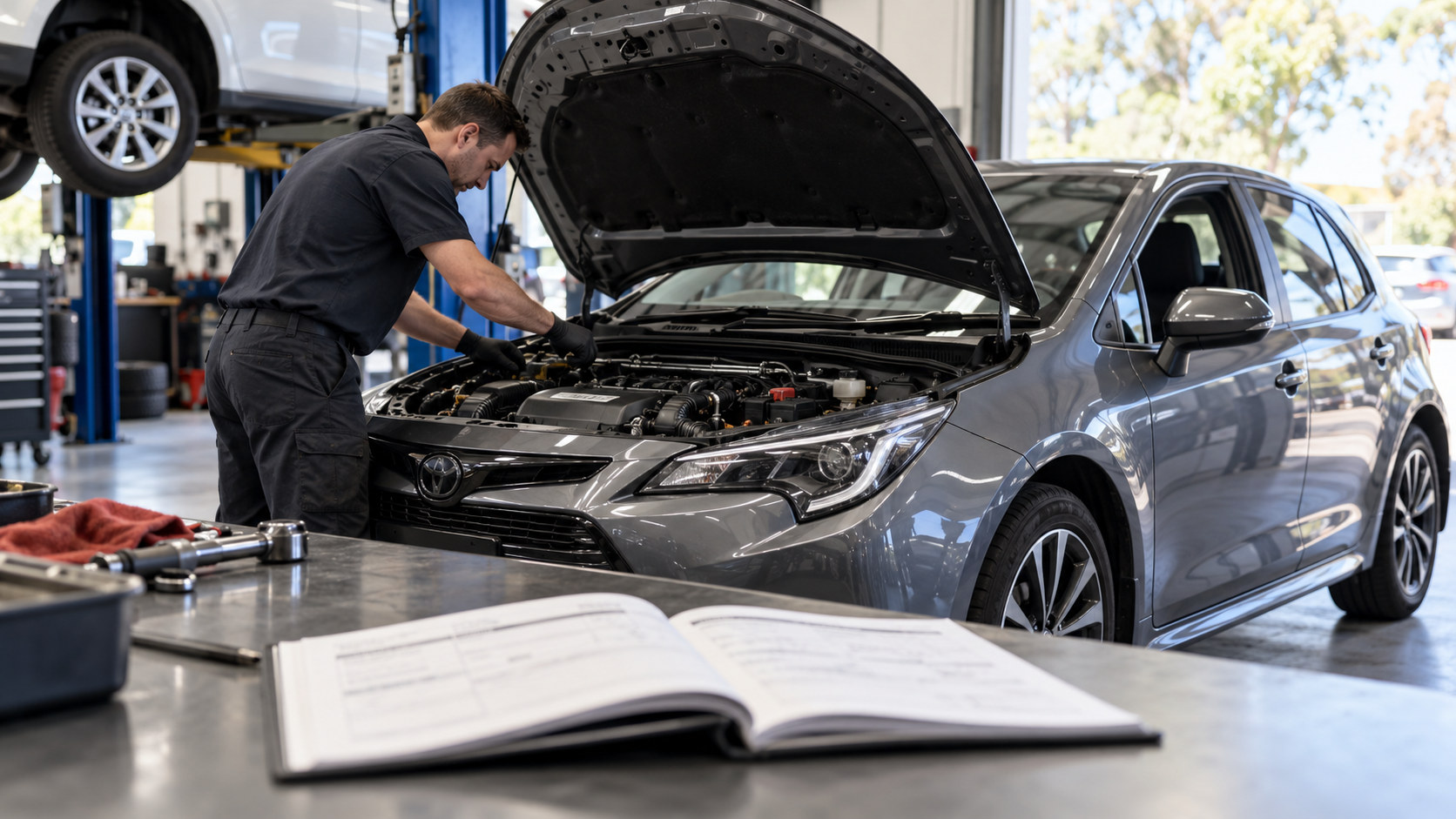
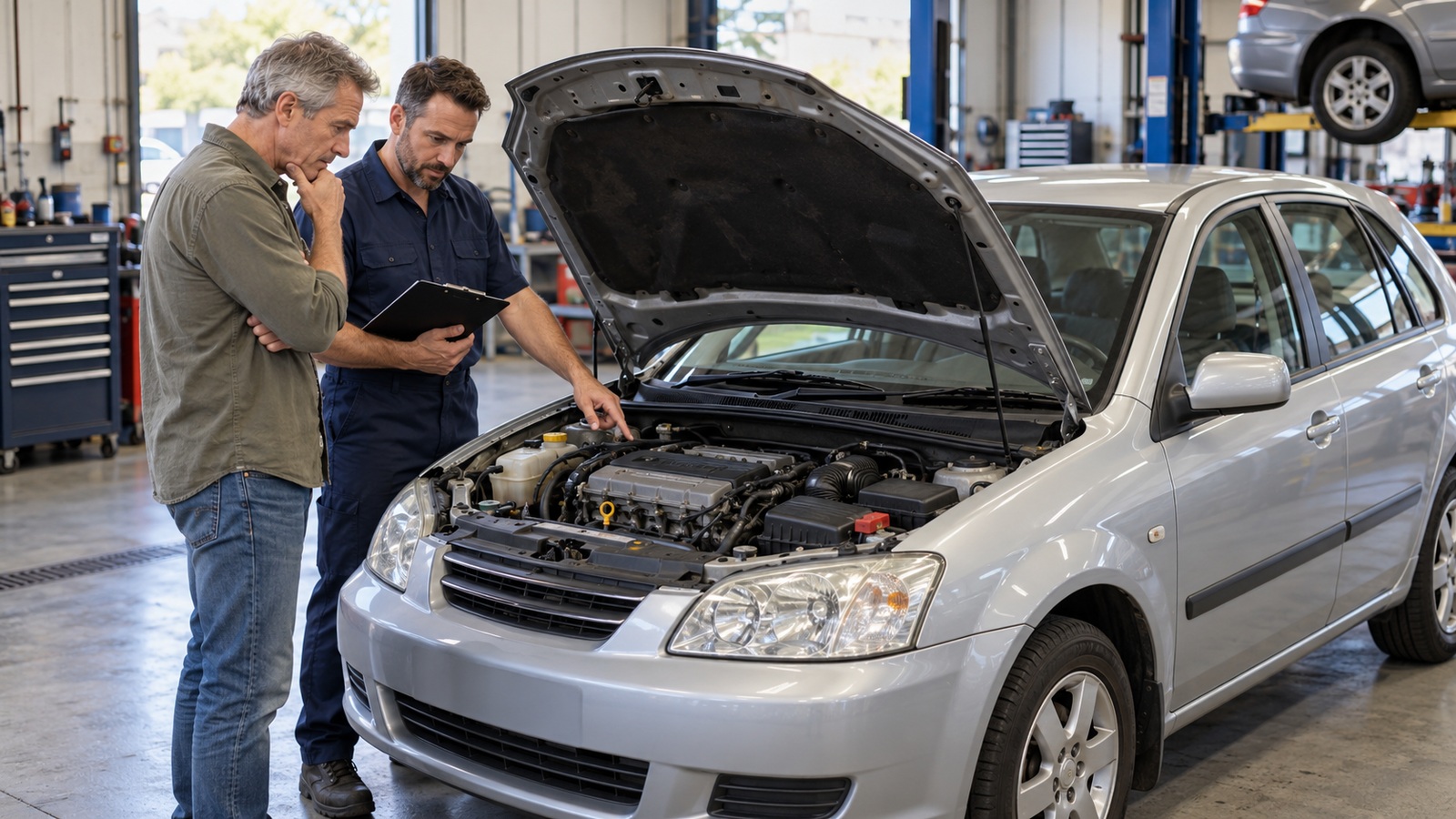
How mechanics diagnose brake shudder
Typical inspection steps