The fan is blowing, but the air from the vents is only cool. Or it starts cold, then fades once the car is stuck in traffic. That can make a car aircon regas sound like the obvious answer, but it is not always the whole fix.
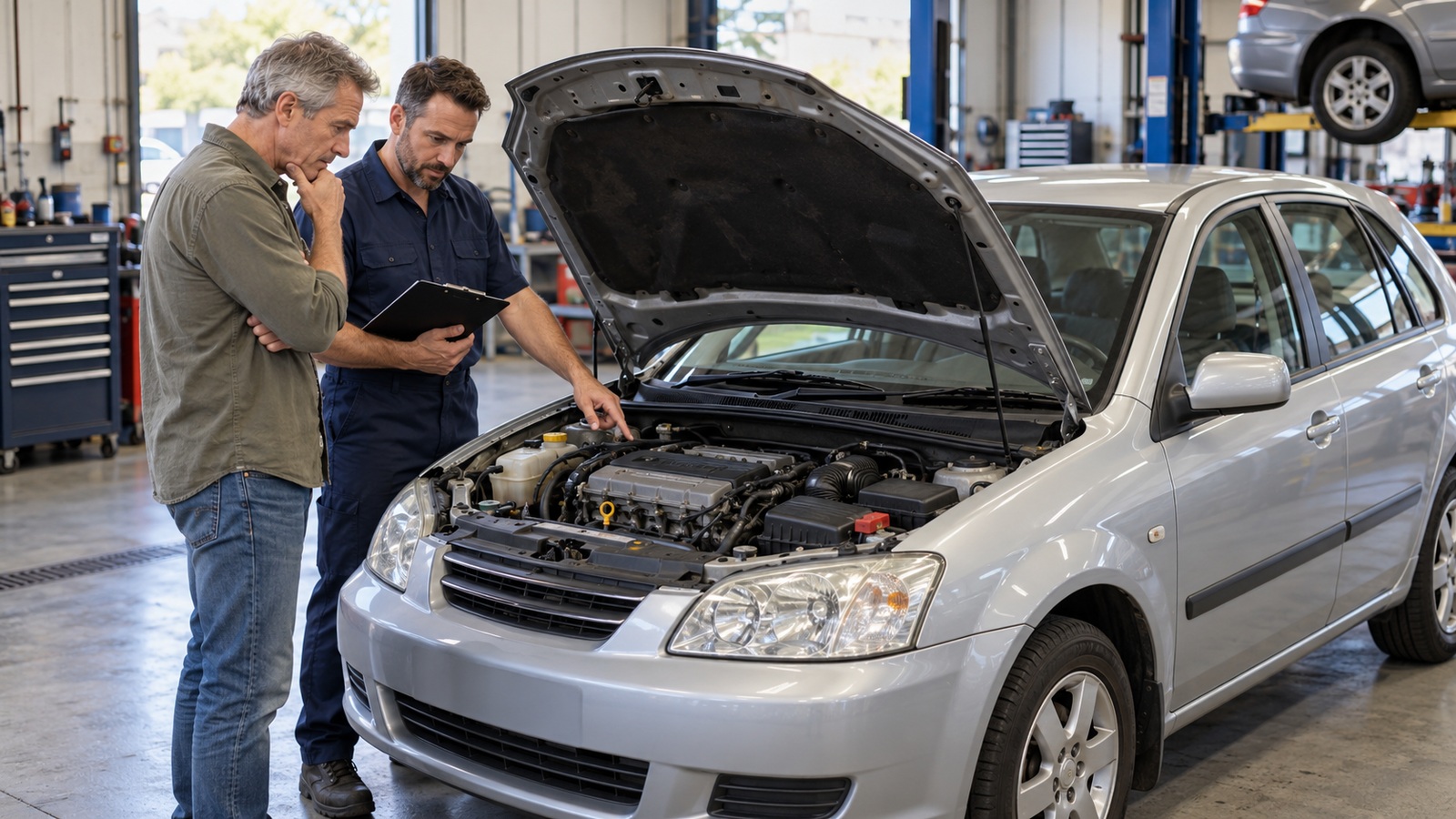
A car aircon regas may be needed when the refrigerant level is low. Low refrigerant can reduce cooling, but it can also point to a leak, a worn seal, a condenser issue, a compressor fault or an electrical problem. Chandos Auto Repairs in Cheltenham checks vehicle air conditioning faults properly, rather than treating every weak AC complaint as a simple refill.
A good vehicle air conditioning service should answer a few basic questions first:
- Is the refrigerant low?
- If it is low, where has it gone?
- Is the compressor switching on properly?
- Are the condenser, hoses, seals and fans doing their job?
- Is the cabin airflow strong enough?
- Is a regas enough, or does the system need repairs first?
If the system keeps losing cold air after a regas, it needs diagnosis. Repeatedly filling a leaking system is poor practice and usually costs more in the long run.

What is a car aircon regas?
A car aircon regas is the process of recovering, measuring and replacing refrigerant in the air conditioning system to the correct amount. Refrigerant is the gas that moves heat out of the cabin so the vents can blow cold air.
A proper regas is not just a can of gas added to the system. The old refrigerant should be recovered with the right equipment. The system should be checked, evacuated, tested, refilled to the correct specification and then checked for cooling performance.
The exact refrigerant matters. Many older and current vehicles use R134a. Some newer vehicles use R1234yf. The workshop should use the refrigerant specified for that vehicle, not a cheaper substitute.
When do you need an aircon regas?
A car aircon regas may be needed when the system is low on refrigerant, but symptoms alone do not prove that a regas is the only fix. The same weak-cooling complaint can come from several different faults.
- Air is cool but not cold. If the vents are cooler than outside air but not cold enough, the refrigerant charge may be low. It may also be an airflow problem, a compressor issue or a restriction in the system.
- Cooling fades on hot days. If the AC works lightly in the morning but struggles during a hot afternoon, the system may be low, the condenser may not be shedding heat properly or the cooling fan may not be working as it should.
- The AC has not been checked for years. A system that has not had an air conditioning check for a long time may be low, contaminated or starting to leak. A service can show whether a regas is useful or whether the problem is somewhere else.
- Refrigerant level tests low. If the measured refrigerant level is low, the system may need a regas. The next question is why it is low. A very small loss over time is different from a system that has leaked down quickly.
- The system was opened for repair. If a compressor, condenser, hose, seal or other AC component has been replaced, the system normally needs to be evacuated and recharged as part of the repair.
When is a regas not enough?
A regas is not enough when the air conditioning system cannot hold pressure, cannot circulate refrigerant properly or cannot control airflow and temperature. In those cases, fresh refrigerant may only hide the fault for a short time.
| Symptom | Possible cause | Why a regas may not fix it |
|---|---|---|
| Cold air returns after a regas, then fades again | Leak from a hose, seal, condenser or evaporator | The new refrigerant escapes again |
| AC clicks on and off quickly | Low pressure, pressure switch fault or electrical issue | The control system may be shutting the compressor down |
| AC is warm at idle but cooler while driving | Condenser fan problem or poor heat transfer | Airflow across the condenser may be too weak |
| Loud noise when AC is switched on | Compressor or pulley fault | Refrigerant will not repair mechanical wear |
| Weak airflow from vents | Blocked cabin filter or blower issue | The system may be cold, but not moving enough air |
| Warm air after front-end damage | Damaged condenser or pipework | A leak or damaged component needs repair first |
| One side colder than the other | Blend door, sensor or climate control issue | The fault may be inside the cabin control system |
Common faults that need more than a regas include leaking hoses, failed seals, damaged condensers, evaporator leaks, compressor faults, cooling fan issues, blocked cabin filters, pressure-switch faults and electrical control problems.
This is why diagnosis matters. If the system is empty or close to empty, the question is not only "can it be filled?" It is "will it hold refrigerant once it is filled?"
How much does a car aircon regas cost?
Many standard car aircon regas services in Australia sit in the low hundreds of dollars, but the final price depends on the vehicle, refrigerant type, leak testing and whether parts have failed.
For a straightforward R134a regas on a common passenger vehicle, public Australian cost guides commonly show prices from about $125 to $300. Newer R1234yf systems can cost more because the refrigerant, safety handling and equipment requirements are different.
Cost drivers include:
- Refrigerant type, such as R134a or R1234yf
- System size and refrigerant capacity
- Whether the system is low or completely empty
- Leak testing and diagnosis time
- Cabin filter or airflow checks
- Compressor, condenser, hose or evaporator faults
- Electrical diagnosis
- Whether the system has been opened for previous repairs
- Whether the correct refrigerant is available for that vehicle
A cheap regas can become expensive if it skips the diagnosis. If a system is leaking, paying for refrigerant without finding the leak can mean paying for the same job twice.
Why does the system need leak testing?
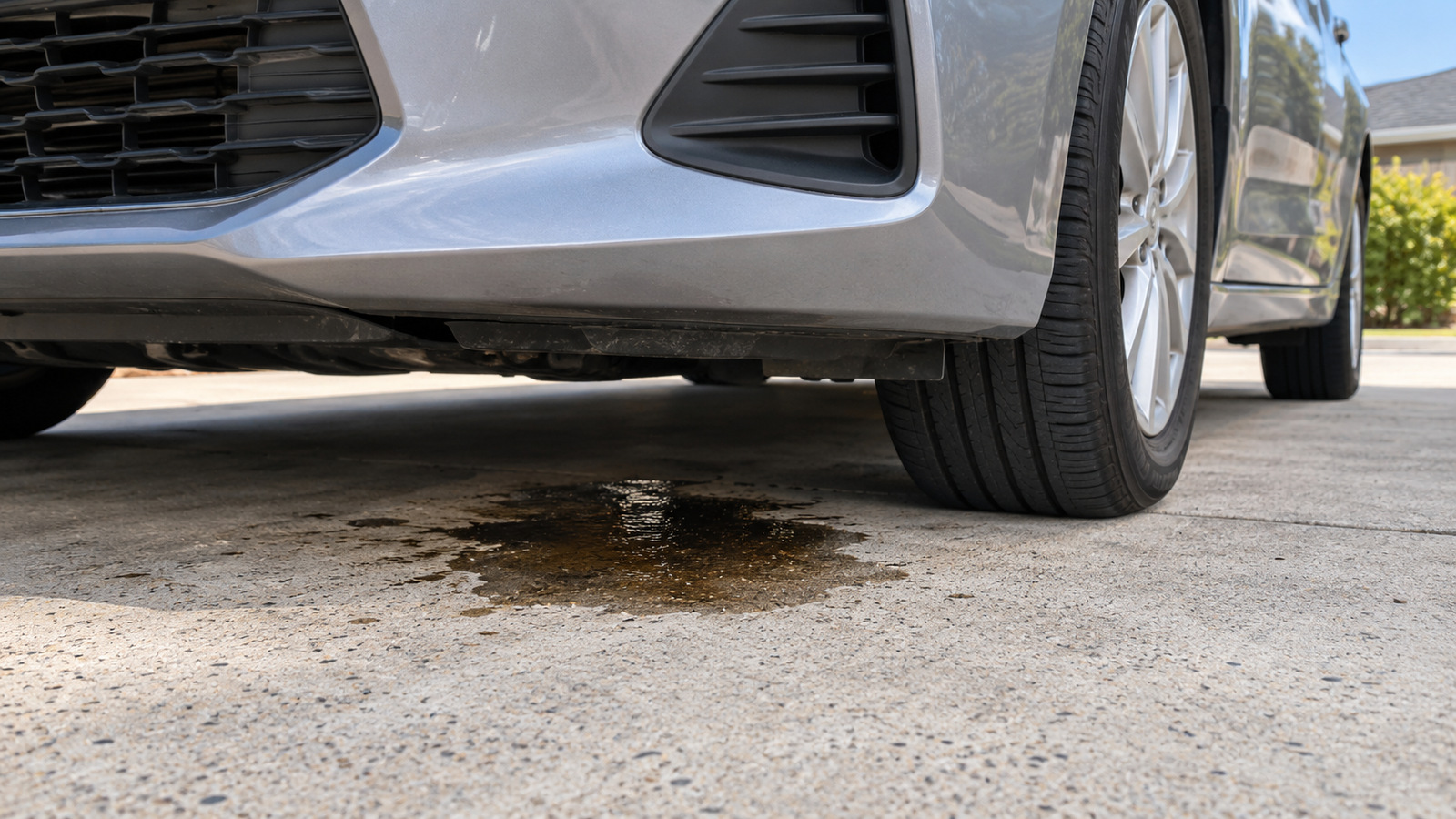
A car air conditioning system is sealed, so refrigerant should not disappear quickly. If the system becomes low again soon after a regas, there is probably a leak or a failed component.
Leak testing can involve pressure readings, visual checks, UV dye, electronic leak detection or a vacuum test, depending on the system and the fault. The aim is to find why the refrigerant level dropped before fresh refrigerant is wasted.
A leaking system may involve:
- A cracked or damaged hose
- A worn O-ring or seal
- A pinhole leak in the condenser
- An evaporator leak inside the dash
- A leaking service port
- Damage from a previous repair
- Corrosion or impact damage
Leak testing is also an environmental and safety issue. R134a and other fluorocarbon refrigerants should be recovered and handled correctly, not released into the air.
Louder than usual exhaust noise
Can you drive with weak air conditioning?
Weak air conditioning is not usually safety-critical in the same way as brakes, steering or tyres. The exception is visibility. Your AC helps dry the air used for demisting, so a weak system can make it harder to clear the windscreen in wet or humid weather.
That matters in Melbourne's changeable weather. A car that is uncomfortable on a hot day may become more of a problem when rain, humidity and fogged glass make visibility worse.
Book an AC check sooner if:
- The windscreen does not clear properly
- The air turns warm soon after a regas
- The AC makes a new noise
- The system smells hot or electrical
- The compressor keeps clicking in and out
- The car has had front-end damage
- The AC stopped working suddenly
If the system is only slightly weaker than usual, it may not be urgent. If it affects demisting or the fault is getting worse, it should be checked.
What will Chandos Auto check?
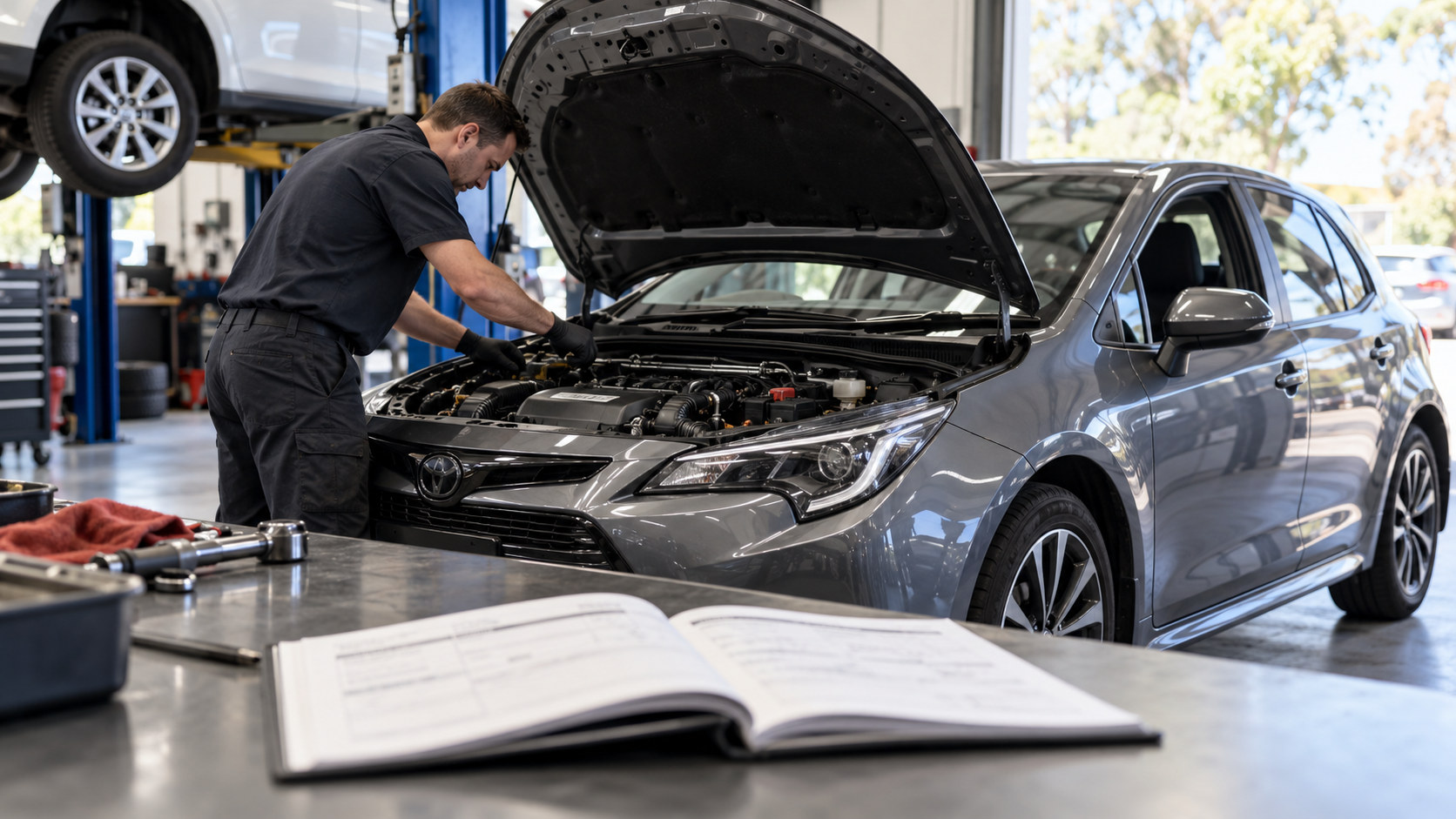
A vehicle air conditioning service should look at the system as a whole, not only the refrigerant level. Chandos Auto's air conditioning service page lists inspections, diagnostics, leak detection, regassing, component repairs, hose and pipe work, and older R12 to R134a conversions.
Depending on the vehicle and the fault, the workshop may check:
- Vent temperature
- Refrigerant level
- High-side and low-side pressure readings
- Visible leak signs
- Compressor operation
- Condenser condition
- Visible pipework and hoses
- Cooling fan operation
- Cabin filter and airflow
- Electrical controls where relevant
- Whether the system is using the correct refrigerant
The useful outcome is a clear answer: the system needs a regas, the system needs leak testing first, or another fault needs attention before refrigerant is added.
What should you tell the workshop?
The more specific you are, the easier it is to narrow the fault. You do not need technical language. Just describe what the AC does, when it happens and whether anything changed recently.
Useful details include:
- When the AC last worked properly
- Whether it is worse at idle, in traffic or on hot days
- Whether the air is warm, cool or changes while driving
- Whether the fan speed feels weak
- Whether the car has had recent repairs or front-end damage
- Whether the AC was regassed recently
- Any noises when the AC is switched on
My aircon is blowing warm/cool air, it is worse when [stopped/driving/hot day], and it last worked properly around [time]. Can you check whether it needs a regas or whether there is a leak or fault?
Frequently Asked Questions
Car air conditioning does not need to be topped up like fuel or oil. A regas may be needed every few years if the system is low, but a system that loses cold air quickly should be checked for leaks. If the AC still cools well, the better starting point is a vehicle air conditioning service and performance check.
If your car aircon is warm again after a regas, the system may have a leak or another fault. Common causes include leaking hoses, worn seals, condenser damage, compressor problems, pressure-switch faults or electrical faults. The next step is diagnosis, not another blind refill.
A DIY aircon regas kit is not a good idea for most drivers. The wrong refrigerant, the wrong amount of refrigerant or a missed leak can damage the system and create safety risks. R134a and other fluorocarbon refrigerants are regulated in Australia, and R1234yf needs correct equipment and safety handling because it is mildly flammable.
No. A regas only helps when the main issue is low refrigerant and the system can hold the correct charge. It will not fix a damaged condenser, failed compressor, blocked cabin filter, cooling fan fault, electrical fault or leaking system.