Can a Mechanic’s Inspection Tell If a Car Has Been in an Accident?

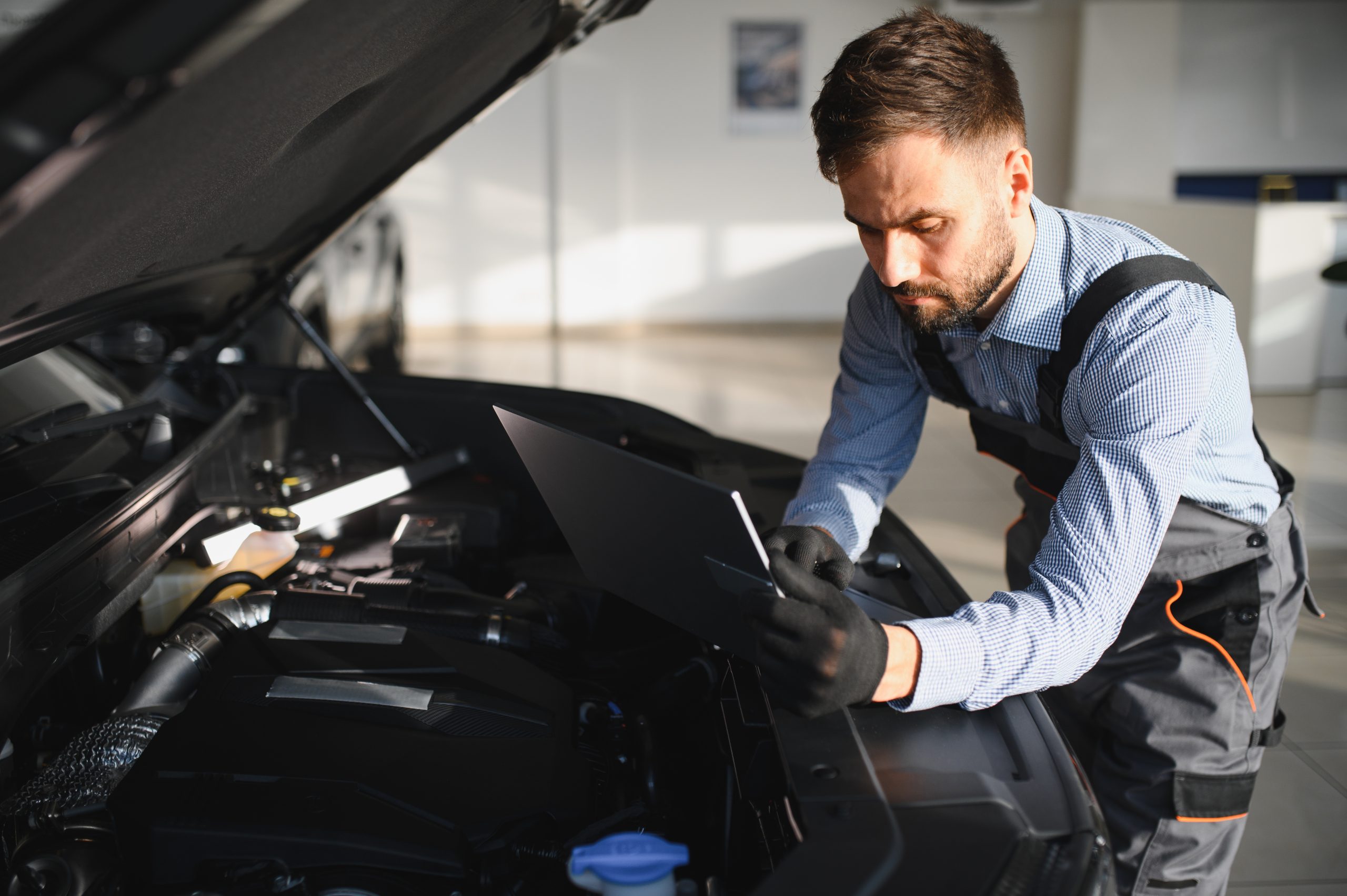
Buying a used car often comes down to trust. The paint looks good, the panels line up and the seller insists the vehicle has never been in a crash. But appearances can be misleading. One of the most common questions buyers ask before committing to a purchase is whether a mechanic can tell if a car has been in an accident.

In many cases, the answer is yes. While some repairs are done well enough to be difficult to detect at a glance, experienced mechanics know where to look and what signs suggest a vehicle has previously suffered impact damage.

This is why a pre-purchase inspection remains one of the most valuable steps when buying a used vehicle.
Mechanic Inspection
Auto Check Car Service

Why accident history matters

Accident repairs vary widely in quality. A professionally repaired vehicle can remain safe and reliable for years. Poor repairs, however, may leave hidden structural damage that affects handling, tyre wear and long-term durability. 

Buyers often worry about issues such as: 

  • hidden structural damage 
  • misaligned suspension components 
  • uneven tyre wear 
  • corrosion developing where repairs were made 
  • compromised crash safety 

A thorough vehicle inspection helps identify whether repairs were performed properly or whether deeper issues remain. 

Signs a car may have been in an accident

Mechanics do not rely on a single clue. Instead they look for patterns that suggest panels, structure or mechanical components have previously been damaged and repaired.

Uneven panel gaps

Modern vehicles are built with consistent panel spacing. When gaps between panels vary noticeably from one side of the car to the other, it can suggest that panels were removed or replaced after a collision.

Panel area What mechanics look for 
Bonnet edges Different spacing on each side 
Doors Panels sitting slightly proud or recessed 
Boot lid Uneven alignment with rear quarter panels 

Small differences do not always mean a crash occurred, but they can prompt closer inspection.

Weld marks or replaced structural sections 

In more significant collisions, sections of the vehicle’s structure may be cut and replaced. 

Mechanics inspecting a used car often check: 

Area InspectedPossible Indicator
Chassis railsGrinding marks or non-factory welds
Inner guardsRepaired metal seams
Radiator supportsReplacement brackets or bolt marks

These signs do not automatically mean the car is unsafe, but they may indicate that it experienced a heavier impact than the seller disclosed. 

Tyre wear patterns that do not match the mileage 

Tyres can reveal a great deal about how a vehicle has been driven or repaired. 

Uneven wear patterns may indicate: 

Tyre condition Possible cause 
Heavy wear on one edge Alignment issues 
Rapid wear on one tyre Bent suspension components 
Different tyre brands or ages Possible panel or suspension repairs 

While tyres alone cannot prove accident history, they often support other inspection findings. 

Fresh paint where it should not be 

Paint repairs are common after accidents. While modern paintwork can look excellent, mechanics often find clues in places buyers rarely check. 

Typical areas include: 

  • inside door jambs 
  • behind trim panels 
  • inside the engine bay 
  • under the boot carpet 

A difference in paint texture or colour in these areas can suggest that bodywork was repaired. 

Bent suspension mounting points 

A collision can shift the mounting points that hold suspension components in place. Even small changes can affect how a car drives. 

Mechanics performing used car inspections often examine: 

  • control arm mounting brackets 
  • subframe alignment 
  • strut towers 
  • wheel alignment readings 

If mounting points have moved, the vehicle may show abnormal tyre wear or persistent alignment problems. 

Why these problems are difficult for buyers to spot 

Most buyers look at paint condition, mileage and interior wear. Structural repairs are usually hidden behind panels or underneath the vehicle where they are not easily seen. 

Professional inspections involve: 

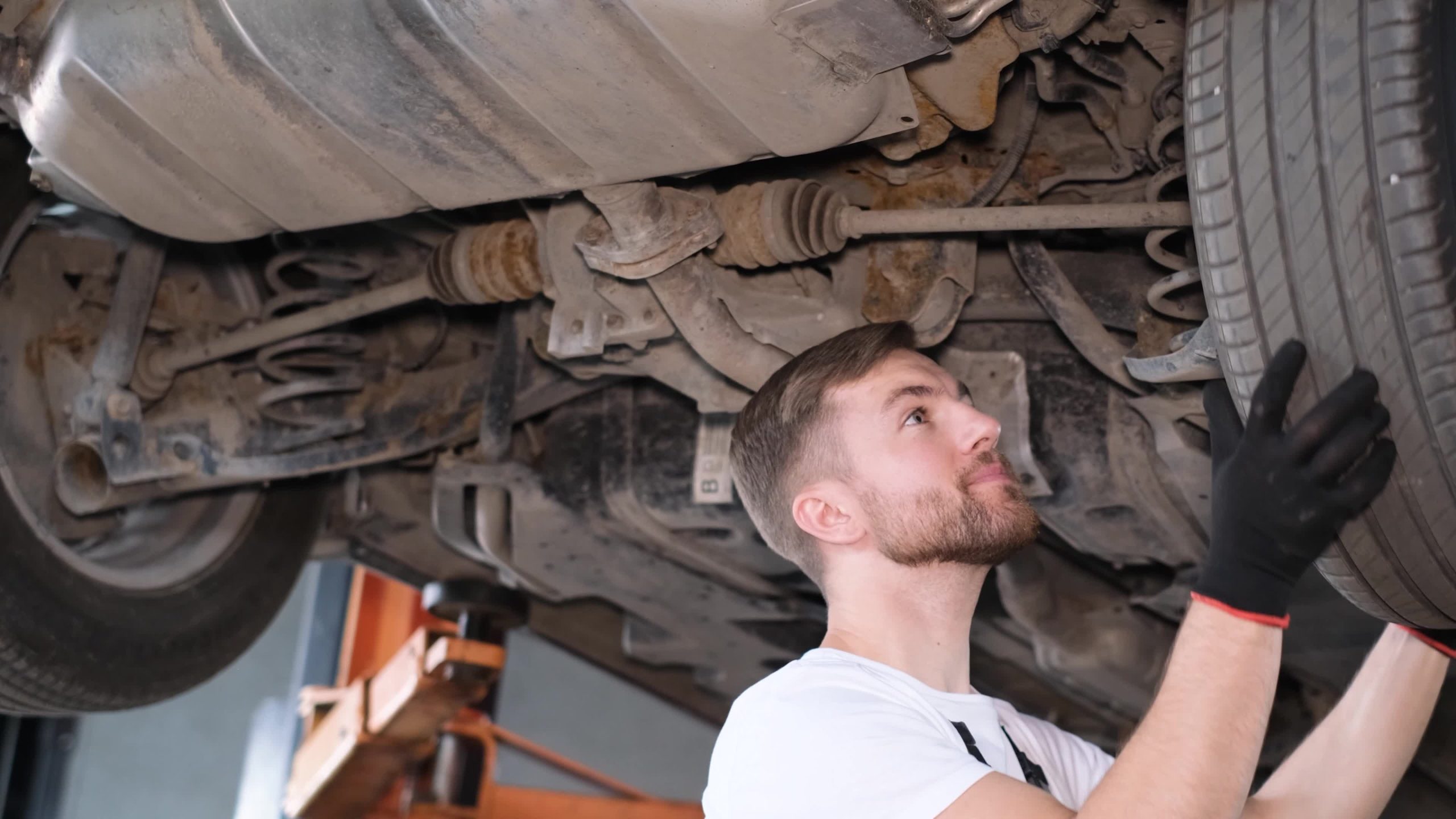
  • lifting the car on a hoist 
  • checking suspension components 
  • inspecting structural sections 
  • examining paint consistency across the body 

These checks allow mechanics to identify issues that would otherwise go unnoticed during a casual viewing. 

When a pre purchase inspection becomes essential

Some situations make inspections particularly important. 

Buyers should strongly consider a mechanic inspection if: 

  • the car appears freshly detailed or repainted 
  • service history is incomplete 
  • the price seems unusually low for the model 
  • panel alignment looks inconsistent 
  • the vehicle has come through multiple recent owners 

In these cases, a professional inspection can provide clarity before money changes hands. 

Peace of mind before committing to a purchase 

Most used cars on the road have minor cosmetic repairs at some stage in their life. That alone does not make them a bad purchase. The key question is whether the repair was done correctly and whether any hidden damage remains. 

A thorough vehicle inspection allows buyers to understand the condition of the vehicle before committing to what is often one of their largest purchases. 

When uncertainty exists, professional advice can prevent an expensive mistake. 

More Car Care Articles

Mechanic Inspection

Can a Mechanic’s Inspection Tell If a Car Has Been in an Accident?

Experienced mechanics can often detect previous accident damage during a vehicle inspection. Learn what they look for when assessing a used car.

why car ai conditioning loses performance

Why Is My Car Aircon Blowing Warm Air? Common Causes and What to Do

It’s 35 degrees, you’re crawling along Nepean Highway in bumper-to-bumper traffic, and the vents are pushing nothing but warm air. If that sounds like your morning, you’re not alone.

Selling a Car in Victoria? How to Avoid a Roadworthy Re-test 

Someone is selling a car. The car runs well, looks decent, and has been reliable for years. The roadworthy inspection is treated as a formality. A box to tick before the buyer hands over the money.

Book for your auto service at the push of a button

Our technicians have worked on almost every vehicle available, which gives them vast experience and enables quick diagnosis of faults or problems saving our customers time and money.
Book a service or RWC certificate inspection today

Need a Roadworthy Certificate? 

If you're selling a car, transferring registration, or simply want to make sure your vehicle is safe, you’ll need a valid Roadworthy Certificate (RWC).


At Chandos Auto Repairs, we’re fully licensed to carry out inspections and issue RWCs quickly and professionally. 
Protect your sale, protect your safety — book your roadworthy inspection with Chandos today. 
  • Fast, thorough inspections 
  • Honest, transparent advice 
  • Competitive pricing 
  • Pre-inspection checks available if needed 
Drive away knowing your car is in expert hands.

Book Your Service or Inspection Today 

Whether it’s time for your next scheduled service or you need a roadworthy certificate, we’re ready to help.

Testimonials

Chandos Autos

Trading Hours

Monday - Friday
  • 8am - 5pm
Saturday
  • By appointment
Sunday
  • Closed
© Copyright 2026 Chandos Autos. All Rights Reserved.

Web design by CJ Digital