Is your car worth fixing, or is it time to let it go?
A repair bill higher than the car is worth does not settle whether the car is worth fixing. Three numbers settle it: what this repair costs, what the car is worth today, and what else is likely to come due within twelve months. Weigh that total against what the same money buys in another car, once the cost of getting that car on the road is counted. Sometimes the old car still wins, and sometimes it clearly does not.
The workshop that would be paid for the repair wrote this. Some cars are not worth another bill, and a good workshop will say so before you spend the money.
The three numbers that decide if your car is worth fixing
Two of these numbers are easy to get. The third decides it, and a quote does not show it.
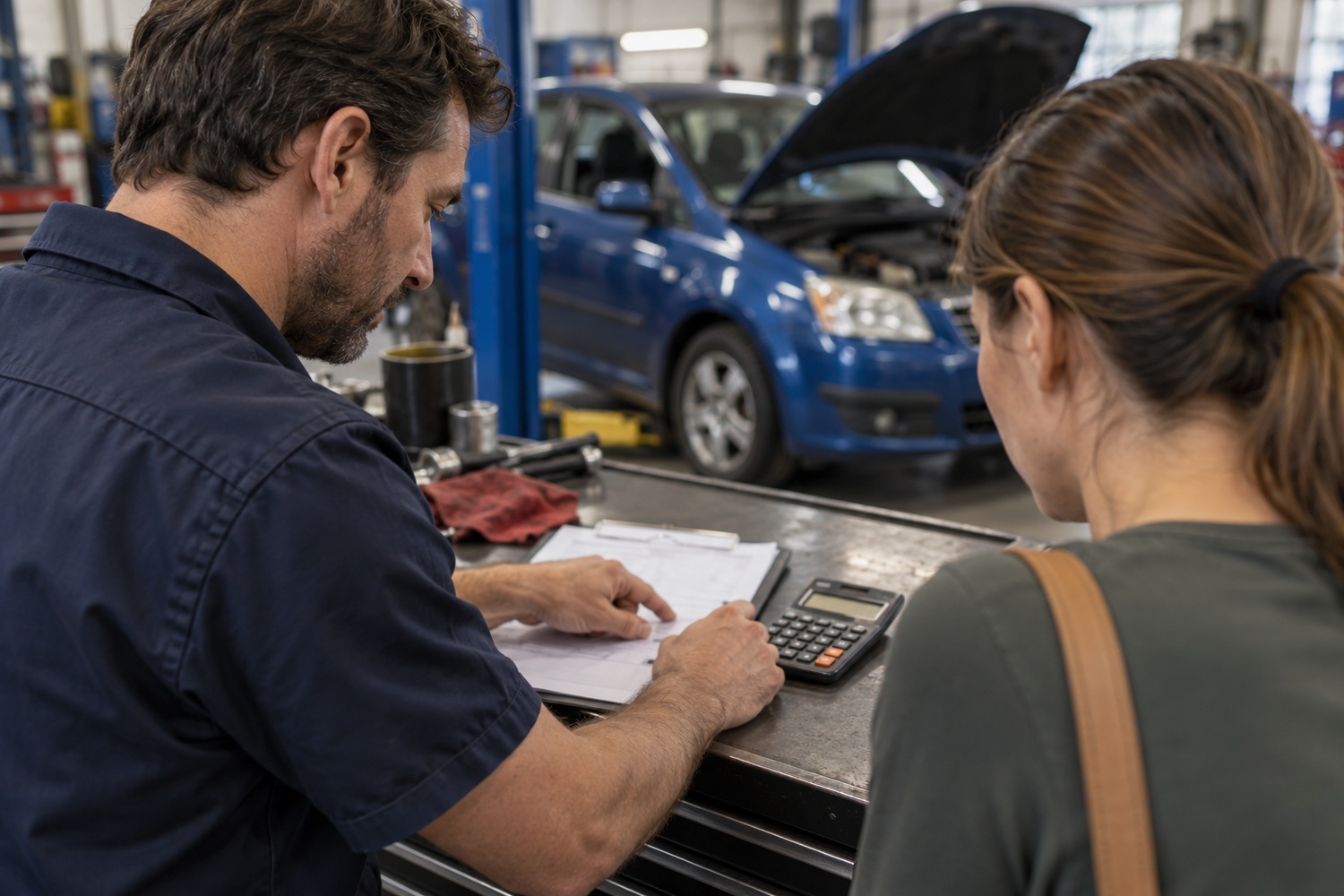
What the repair costs. This is the quote in your hand, in writing and itemised. A figure given over the phone is a guess until the car has been on the hoist.
What the car is worth today. Find out rather than guess. An online valuation guide gives you a range, and the asking prices on similar cars in similar condition fill in the rest. The State Revenue Office works out market value the same way when it charges duty on a transfer, using a motor industry valuation guide.
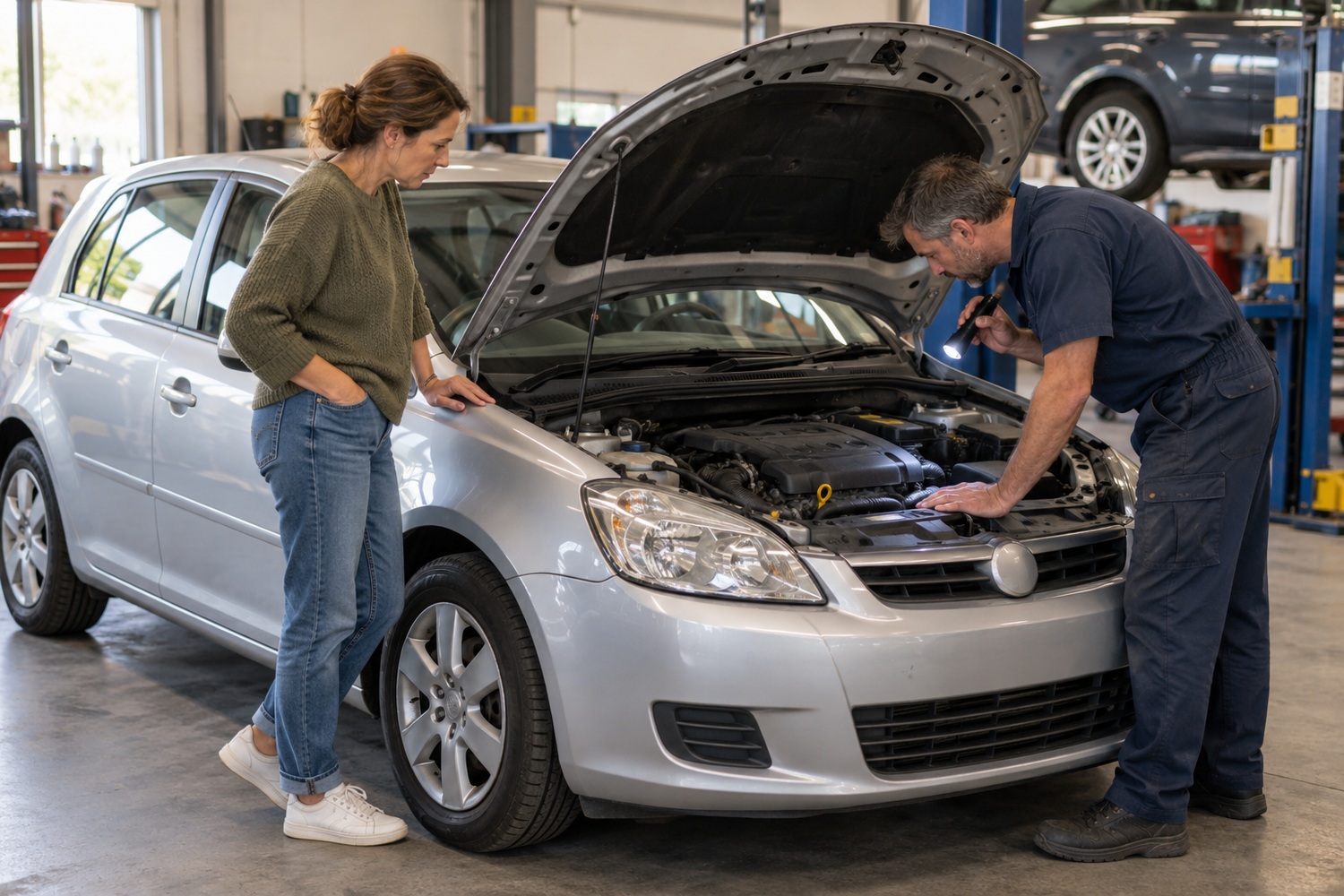
What else is coming due. Ask the workshop two things. What did it find beyond the quoted job, and what will the next twelve months need? Tyres, a timing belt, brakes and an overdue service all count. So does anything minor, because small car faults turn into big repair bills when they are left alone.
Now add the first number to the third. That total, not the quote on its own, is what you weigh against the same money spent somewhere else.
Is it worth repairing a car worth less than the repair?
Sometimes it is, and the reason is what you hold at the end. After the repair you have a car you know, with the fault fixed and a history you can read. For the same money you get a car nobody has looked at yet.
The replacement also costs more than its asking price. A private buyer in Victoria pays motor vehicle duty, better known as stamp duty. From 1 July 2026 the State Revenue Office charges $8.40 for every $200, or part of $200, on a passenger car worth up to $80,809. Duty is charged on the higher of the price paid or the market value, rounded up to the nearest $200. Take a $12,000 car as the arithmetic. Sixty lots of $200 at $8.40 is $504. The VicRoads transfer fee adds $47.50. A current roadworthy certificate has to come with the car too, and that part is the seller’s job.
So the money does not reach as far as the advertisement suggests.
The maths turns the other way when both numbers are large. A big repair now, with another big item due inside the year, is a car asking for its own value twice over. The honest answer there is to stop spending on it. Liking the car does not change the sum.
Which repairs are usually worth it, and which usually are not
The kind of repair matters more than the size of the bill. Three jobs are usually worth doing on an otherwise sound car.
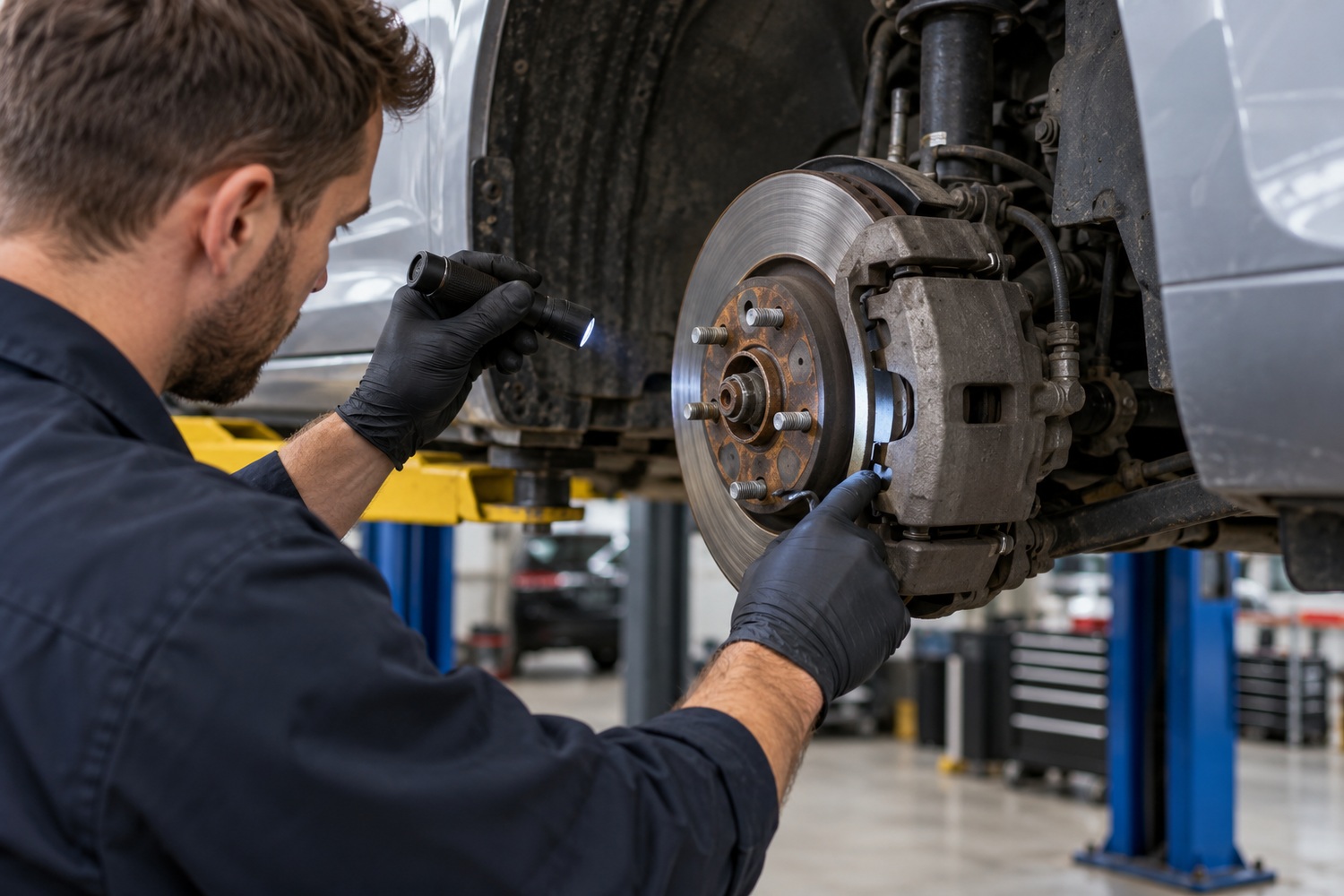
Brakes. Pads, discs and drums are wear parts. A car is built to have them replaced, and brake repairs put it back into known condition. Any replacement car of the same age would be due for the same job soon enough.
Suspension. Shock absorbers, bushes and ball joints wear out slowly. The car feels normal until the parts are well past it. Replacing them restores how the car rides, steers and stops.
A clutch. One uncomfortable bill, but a clutch is a consumable with a known life, and clutch repairs leave you with a car that drives like itself again.
Three faults usually point the other way.
Structural rust. Rust in the floor, sills or mounting points tends to grow once work starts, so the job gets bigger after it was quoted. It is a roadworthy matter too, so it cannot be ignored and then sold around.
A failed automatic gearbox on a high-kilometre car. One very large assembly is renewed on a car whose other large assemblies are the same age and distance. The gearbox stops being the question. The rest of the car becomes it.
Three big items landing together. One large repair can be worth doing. Three at once is the twelve-month number arriving in one bill.
The same repair can be worth doing on one car and not another. A second car running school trips around Cheltenham and Mentone mostly has to start and stay safe. A car in the Nepean Highway crawl every morning has to be reliable, and reliability is worth paying for.
Does the age of the car decide it?
No. Condition and history decide it, not age. An older car with a full, believable service record is a better bet than a newer one with none. You can see what has been done to it and what has not. That record is the best guide you have, which is why spotting a faked service history is worth knowing how to do.
Can you sell the car instead of fixing it?
Selling the car does not get you around a safety fault. In Victoria, anyone selling a registered vehicle privately has to give the buyer a current certificate of roadworthiness. That is regulation 89 of the Road Safety (Vehicles) Regulations 2021. A few narrow exemptions exist, mostly transfers between partners and sales to dealers.
So the roadworthy items come due whichever way you go. Either you fix them and sell with a certificate, or you sell the car unregistered, where the rule does not apply. If a sale is the plan, how to avoid a roadworthy re-test covers what gets picked up and how to prepare.
Where the car does have to pass, the certificate can only come from a licensed tester, or from a mechanic working under one. Getting a roadworthy certificate is a separate job from the repairs that follow.
How to get a straight answer from your mechanic
Ask for the fault list split three ways:
The three carry different weight. A safety item has to be dealt with whatever you decide. Using a vehicle on a Victorian road when it is not in a safe and roadworthy condition is an offence. That work is not really a choice. A cosmetic item should never tip the decision, however much it annoys you.
what is a safety item now
what is coming due soon
what is cosmetic, or can simply wait
Then ask the question that cuts through: what would you do if it were your car? That asks for a judgement rather than a price, and judgement never appears on a quote.
Before you decide, get the whole fault list priced and split by urgency. That is the twelve-month number, and one quote will not show it. Asking does not commit you to the repair. Chandos Auto can put the list together, and you can book a time online.
Frequently asked questions
At what point is a car not worth fixing?
When this bill plus next year’s bill costs more than moving into something better. Rust in the structure, or a failed automatic in a tired car, usually settles it without any arithmetic.
Is it cheaper to repair or replace a car?
Repairing is usually cheaper in the short run, because buying brings duty, a transfer fee and somebody else’s history. Replacing wins once repairs stop being one-off jobs and start arriving every few months.
How do I find out what my car is worth?
Use two sources together. A valuation guide gives the ballpark, and current advertisements for the same model at similar kilometres show what buyers are being asked today.
Should I fix my car before selling it?
A registered car sold privately has to be handed over with a certificate, so the safety work is not optional. Cosmetic tidying is a separate choice that the mechanical decision does not answer.
The quote came in higher than you think the car is worth, and now you have to decide. Comparing those two numbers is where the advice usually starts, and on its own it settles nothing. Here are the three numbers that do, written by the workshop that would be paid for the repair.
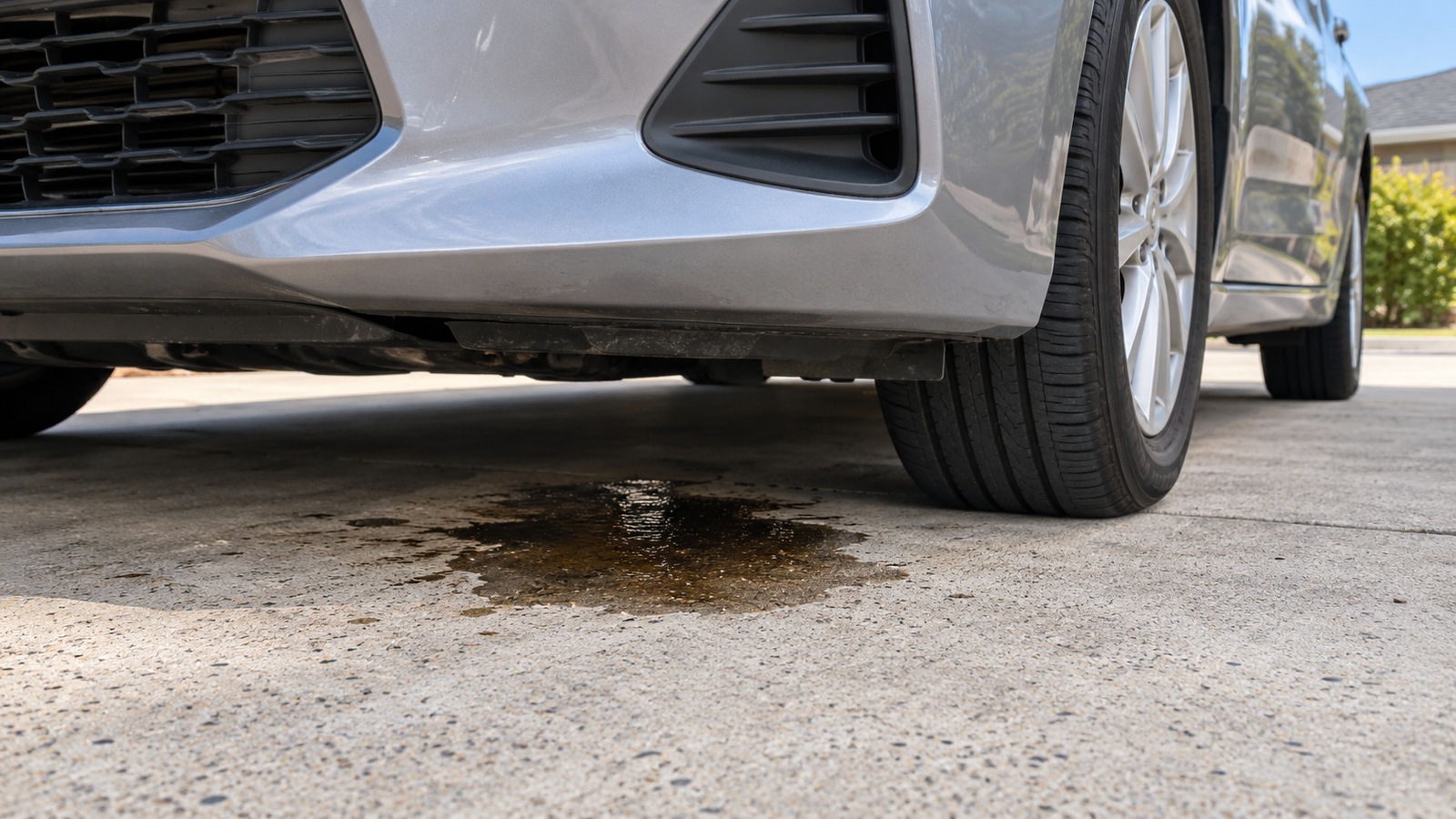
You reverse off the driveway and there is a stain on the concrete where the car was. Colour gets you most of the way to what it is, and where it sits under the car gets you the rest. Here is what each one usually means, which two are worth stopping for, and the cardboard trick that finds the source overnight.
You ring up to book a service and the first thing you are asked is which one you want. Nobody explains the question, so most people guess. The short answer is that a logbook service follows the list your manufacturer wrote, a standard service follows the workshop’s own, and which you need comes down mostly to whether the car is still under warranty.
Book for your auto service at the push of a button
Our technicians have worked on almost every vehicle available, which gives them vast experience and enables quick diagnosis of faults or problems saving our customers time and money.
Book a service or RWC certificate inspection today
Need a Roadworthy Certificate?
If you're selling a car, transferring registration, or simply want to make sure your vehicle is safe, you’ll need a valid Roadworthy Certificate (RWC).
At Chandos Auto Repairs, we’re fully licensed to carry out inspections and issue RWCs quickly and professionally.
Protect your sale, protect your safety — book your roadworthy inspection with Chandos today.
Whether it’s time for your next scheduled service or you need a roadworthy certificate, we’re ready to help.
Testimonials
             Posted on Google        Justin Peters     Trustindex verifies that the original source of the review is Google. Excellent service and very efficient work. Highly recommended. Thanks Sarah and team.         Posted on Google        Amy Fowlds     Trustindex verifies that the original source of the review is Google. As a woman who isn't particularly knowledgeable about cars (personally), I've unfortunately had some bad experiences in the past where I felt taken advantage of. That's why I am so incredibly grateful to have found Chandos Auto's! From the moment I walked in, Sarah and Paul were not only welcoming but also transparent with their pricing. They took the time to explain exactly what needed to be done to my car, why it was necessary, and what the costs would be upfront. Their kindness, honesty, and professionalism made me feel confident in their work, and I can’t express how much peace of mind it gives me to know I have a mechanic I can trust and now have as my regular mechanic. I wholeheartedly recommend Chandos Auto's to anyone looking for reliable, honest car service.

Thank you again, Sarah and Paul! My car is running beautifully. :)         Posted on Google        Jen H     Trustindex verifies that the original source of the review is Google. Very friendly, knowledgeable and professional. Explained the work that they performed on my car to me and answered any questions I had. No hidden costs along the way, as I was called and asked prior to anything unexpected being done so I could decide how to proceed. Thank you, I will be returning next service.         Posted on Google        Jack Goulmy     Trustindex verifies that the original source of the review is Google. Great servise and great team! Highly recommend.         Posted on Google        Sendo Liu     Trustindex verifies that the original source of the review is Google. Very helpful, very responsive, very quick         Posted on Google        Freddie Carlstrom     Trustindex verifies that the original source of the review is Google. Stephen from Chando’s took on my roadworthy when no one else would this close to Christmas. Awesome, friendly service with incredible turnaround times. So good to find such a great local mechanic - we’ll be back.         Posted on Google        Sam Giles     Trustindex verifies that the original source of the review is Google. Went and took my Ranger to Chandos for the first time today for a service and have a look at a few things, Steve the legend ran me through everything he did and what to keep an eye on, great to find a local mechanic, cars driving grouse will recommend to all family and friends         Posted on Google        M C     Trustindex verifies that the original source of the review is Google. Best guys ever, needed an inspection done because I was having trouble finding an issue, multiple people/places couldn't but this place had found my problem in 15 minutes. Everyone was kind and friendly, 11/10 service!         Posted on Google        Dustin Carpenter     Trustindex verifies that the original source of the review is Google. I can’t say enough good things about these folks!! I had one day to get 3 days worth of stuff done and they smashed it for me cheaper than I was quoted else where. And they did it while being extremely kind and polite.         Posted on Google        Renae     Trustindex verifies that the original source of the review is Google. Life had thrown massive curveballs and to top it off, I had my elderly fathers car transferred into my name. Original mechanic sick, booked in a panic to another who did not turn up. Last day to keep registration ( I had been waiting for original mechanic- my fault). I rang Chandos and these guys squeezed us in. They were already busy. They were kind, professional, upfront and honest. I will definitely go back to these guys. Very happy. A massive Thankyou