Chandos Autos

Spotting a faked service history in a used car

You're standing in a driveway looking at a used car you like. The seller hands you the service book, every page stamped, and says the words you wanted to hear: full service history. It looks reassuring. But a stamp is just ink. It tells you a book was stamped. It doesn't tell you the work behind that stamp was ever done. 

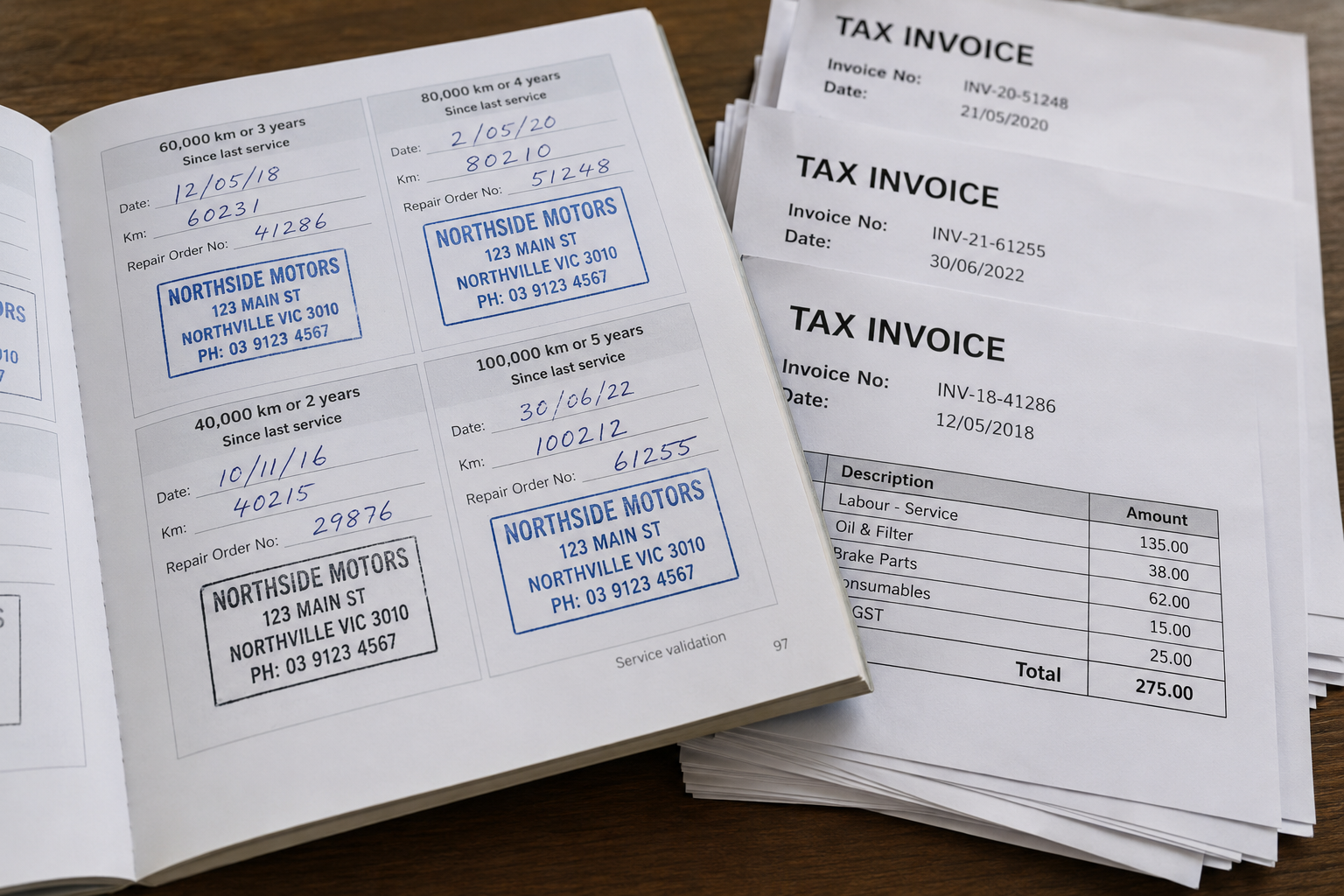
A genuine service history is more than stamps. It's stamps backed by matching tax invoices, with dates and odometer readings (the reading of how far the car has travelled) that climb in a steady line. A faked or padded one is stamps with nothing behind them. Knowing how to tell if a logbook is genuine comes down to checking the paper trail behind the stamps, not the stamps themselves. Here's what a mechanic looks at, and how you can do the same before you buy. 

How to tell if a logbook is genuine 

Start with what a real history looks like, because once you've seen a good one, a bad one stands out. 

A genuine service book has a stamp for each service, and behind most of those stamps sits a tax invoice for the same date, the same odometer reading, and the work that was done. The dates move forward in a sensible pattern. The readings climb at a steady rate that fits how far the car is driven each year. On newer cars, some or all of this may sit in a digital service record held by the maker or dealer instead of a paper book. 

The book should also make sense for the car in front of you. A five-year-old car driven 15,000 km a year should show roughly five services, spaced about a year apart. If the story the book tells matches the car, that's a good sign. If it doesn't, that's where you start asking questions.

The signs of a fake or padded logbook

Most faked histories aren't clever. They fall down on small things a careful look picks up. 

  • Every stamp in the same pen and hand. A real book is stamped over years, at different visits, often at different workshops. If every entry looks like it was filled in at the same kitchen table in one sitting, that's a red flag. 
  • Stamps with no invoices behind them. This is the big one. A stamp costs nothing to fake. An invoice is much harder. If the seller has a full book of stamps but can't produce a single matching invoice, treat the history as unproven. 
  • Odometer readings that jump or stall. The readings should climb in a steady line. A reading that leaps 40,000 km between two services, or barely moves across two years, suggests the book has been fudged or the odometer wound back. 
  • A suspiciously clean book on an old car. A ten-year-old car's service book should look ten years old, a bit worn and grubby. A crisp, near-new book on an older car is worth a second look. 
  • Service intervals that don't match the make. Every manufacturer sets its own service schedule. If the book shows services at intervals that don't line up with the schedule that model calls for, whoever filled it in may have been guessing. 

How to check a used car's service history

You don't have to take the book on trust. A few quick checks turn stamps into proof. 

  • Ring the workshop that stamped it. A genuine workshop will confirm they serviced the car and can usually match it to their own records. A stamp from a business that has closed down, or that has never heard of the car, tells you what you need to know. 
  • Cross-check the stamps against the invoices. Line the invoices up against the stamps. The dates, the odometer readings and the jobs listed should all match. The gaps and mismatches are the whole point of the exercise. 
  • Ask for the digital record on a newer car. Many newer cars, and most European ones, keep a digital service record with the maker or dealer. If the car was dealer-serviced, the seller can ask the dealer to confirm it. Work done at independent workshops often won't show in that system, so a gap there isn't always a problem. It just helps to know which records exist. 
  • Check the odometer against other records. A paid vehicle history report, or a registration check in some states, can show earlier odometer readings recorded over the car's life. If those don't line up with the book, that's a serious warning. These reports are mainly about finance owing, write-offs and theft, but the odometer readings they include are a useful cross-check. 
Service logbook and stacked invoices

Why a faked history becomes your bill

A service history isn't just paperwork. It's the record of whether the car has been looked after. 

When a history is padded to look complete, the services it claims may never have happened. The timing belt that should have been changed, the transmission fluid that should have been replaced, the coolant that should have been flushed, could all be overdue. You don't find out until something fails. By then it's your car, and your bill. 

There's a resale cost too. When you come to sell, the next buyer will run the same checks you should be running now. A history that doesn't hold up drops what the car is worth. 

Frequently asked questions

Sometimes, in part. A paid vehicle history report run against the VIN, or a registration check in some states, can show earlier odometer readings and things like finance owing or a write-off. Neither gives you the full service record, so you still need to match the stamps to invoices and ring the workshops that did the work. 

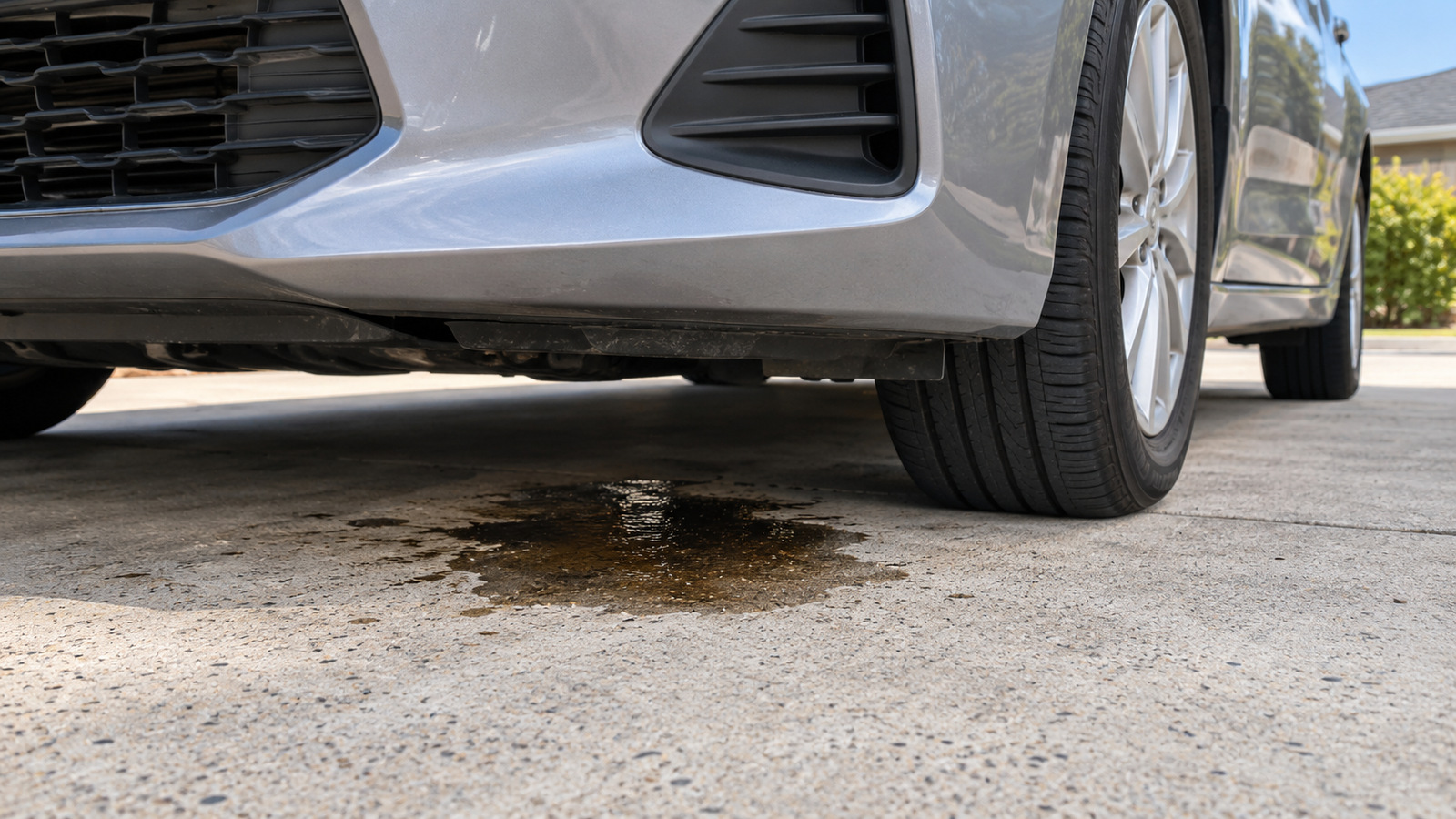
No. It means the car was booked in for the services it was meant to have, if the history is genuine. It doesn't tell you what condition the car is in today. A worn set of brakes or a starting oil leak won't show up in the book, which is why a mechanical inspection is still worth doing. 

Not on its own. A car serviced properly at a good independent workshop can have just as sound a history as a dealer-serviced one. What matters is whether the services were done to the maker's schedule with the right parts, and whether there's proof. Independent work sometimes won't show in the maker's digital records, so lean on the invoices. 

It's not automatically a deal-breaker, but it does shift more weight onto the other checks. Ask for invoices, which many people keep even after losing the book. On a newer or dealer-serviced car, the dealer may be able to confirm the digital record. If there's no book, no invoices and nothing on the maker's system, you're buying a car with an unknown history, and the price should reflect that. 

More Car Care Articles

Book for your auto service at the push of a button

Our technicians have worked on almost every vehicle available, which gives them vast experience and enables quick diagnosis of faults or problems saving our customers time and money.
Book a service or RWC certificate inspection today

Need a Roadworthy Certificate? 

If you're selling a car, transferring registration, or simply want to make sure your vehicle is safe, you’ll need a valid Roadworthy Certificate (RWC).


At Chandos Auto Repairs, we’re fully licensed to carry out inspections and issue RWCs quickly and professionally. 
Protect your sale, protect your safety — book your roadworthy inspection with Chandos today. 
  • Fast, thorough inspections 
  • Honest, transparent advice 
  • Competitive pricing 
  • Pre-inspection checks available if needed 
Drive away knowing your car is in expert hands.

Book Your Service or Inspection Today 

Whether it’s time for your next scheduled service or you need a roadworthy certificate, we’re ready to help.

Testimonials

Chandos Autos

Trading Hours

Monday - Friday
  • 8am - 5pm
Saturday
  • By appointment
Sunday
  • Closed
© Copyright 2026 Chandos Autos. All Rights Reserved.

Web design by CJ Digital